CREATIVE DIRECTION / CREATIVE DIRECTION / CREATIVE DIRECTION / CREATIVE DIRECTION / CREATIVE DIRECTION / CREATIVE DIRECTION / CREATIVE DIRECTION / CREATIVE DIRECTION / CREATIVE DIRECTION / CREATIVE DIRECTION / CREATIVE DIRECTION / CREATIVE DIRECTION / CREATIVE DIRECTION / CREATIVE DIRECTION / CREATIVE DIRECTION / CREATIVE DIRECTION / CREATIVE DIRECTION / CREATIVE DIRECTION / CREATIVE DIRECTION / CREATIVE DIRECTION /
PROTOTYPING / PROTOTYPING / PROTOTYPING / PROTOTYPING / PROTOTYPING / PROTOTYPING / PROTOTYPING / PROTOTYPING / PROTOTYPING / PROTOTYPING / PROTOTYPING / PROTOTYPING / PROTOTYPING / PROTOTYPING / PROTOTYPING / PROTOTYPING / PROTOTYPING / PROTOTYPING / PROTOTYPING / PROTOTYPING / PROTOTYPING / PROTOTYPING / PROTOTYPING / PROTOTYPING / PROTOTYPING / PROTOTYPING /
SPECULATION / SPECULATION / SPECULATION / SPECULATION / SPECULATION / SPECULATION / SPECULATION / SPECULATION / SPECULATION / SPECULATION / SPECULATION / SPECULATION / SPECULATION / SPECULATION / SPECULATION / SPECULATION / SPECULATION / SPECULATION / SPECULATION / SPECULATION / SPECULATION / SPECULATION / SPECULATION / SPECULATION / SPECULATION / SPECULATION /
FACILITATION / FACILITATION / FACILITATION / FACILITATION / FACILITATION / FACILITATION / FACILITATION / FACILITATION / FACILITATION / FACILITATION / FACILITATION / FACILITATION / FACILITATION / FACILITATION / FACILITATION / FACILITATION / FACILITATION / FACILITATION / FACILITATION / FACILITATION / FACILITATION / FACILITATION / FACILITATION / FACILITATION / FACILITATION / FACILITATION /
COMMUNICATION / COMMUNICATION / COMMUNICATION / COMMUNICATION / COMMUNICATION / COMMUNICATION / COMMUNICATION / COMMUNICATION / COMMUNICATION / COMMUNICATION / COMMUNICATION / COMMUNICATION / COMMUNICATION / COMMUNICATION / COMMUNICATION / COMMUNICATION / COMMUNICATION / COMMUNICATION / COMMUNICATION / COMMUNICATION / COMMUNICATION / COMMUNICATION / COMMUNICATION / COMMUNICATION / COMMUNICATION / COMMUNICATION /
FACILITATION / FACILITATION / FACILITATION / FACILITATION / FACILITATION / FACILITATION / FACILITATION / FACILITATION / FACILITATION / FACILITATION / FACILITATION / FACILITATION / FACILITATION / FACILITATION / FACILITATION / FACILITATION / FACILITATION / FACILITATION / FACILITATION / FACILITATION / FACILITATION / FACILITATION / FACILITATION / FACILITATION / FACILITATION / FACILITATION /
SPECULATION / SPECULATION / SPECULATION / SPECULATION / SPECULATION / SPECULATION / SPECULATION / SPECULATION / SPECULATION / SPECULATION / SPECULATION / SPECULATION / SPECULATION / SPECULATION / SPECULATION / SPECULATION / SPECULATION / SPECULATION / SPECULATION / SPECULATION / SPECULATION / SPECULATION / SPECULATION / SPECULATION / SPECULATION / SPECULATION /
CREATIVE DIRECTION / CREATIVE DIRECTION / CREATIVE DIRECTION / CREATIVE DIRECTION / CREATIVE DIRECTION / CREATIVE DIRECTION / CREATIVE DIRECTION / CREATIVE DIRECTION / CREATIVE DIRECTION / CREATIVE DIRECTION / CREATIVE DIRECTION / CREATIVE DIRECTION / CREATIVE DIRECTION / CREATIVE DIRECTION / CREATIVE DIRECTION / CREATIVE DIRECTION / CREATIVE DIRECTION / CREATIVE DIRECTION / CREATIVE DIRECTION / CREATIVE DIRECTION /
EXPERIMENTATION / EXPERIMENTATION / EXPERIMENTATION / EXPERIMENTATION / EXPERIMENTATION / EXPERIMENTATION / EXPERIMENTATION / EXPERIMENTATION / EXPERIMENTATION / EXPERIMENTATION / EXPERIMENTATION / EXPERIMENTATION / EXPERIMENTATION / EXPERIMENTATION / EXPERIMENTATION / EXPERIMENTATION / EXPERIMENTATION / EXPERIMENTATION / EXPERIMENTATION / EXPERIMENTATION / EXPERIMENTATION /
STRATEGY / STRATEGY / STRATEGY / STRATEGY / STRATEGY / STRATEGY / STRATEGY / STRATEGY / STRATEGY / STRATEGY / STRATEGY / STRATEGY / STRATEGY / STRATEGY / STRATEGY / STRATEGY / STRATEGY / STRATEGY / STRATEGY / STRATEGY / STRATEGY / STRATEGY / STRATEGY / STRATEGY / STRATEGY / STRATEGY /
RESEARCH / RESEARCH / RESEARCH / RESEARCH / RESEARCH / RESEARCH / RESEARCH / RESEARCH / RESEARCH / RESEARCH / RESEARCH / RESEARCH / RESEARCH / RESEARCH / RESEARCH / RESEARCH / RESEARCH / RESEARCH / RESEARCH / RESEARCH / RESEARCH / RESEARCH / RESEARCH / RESEARCH / RESEARCH / RESEARCH /
DESIGN / DESIGN / DESIGN / DESIGN / DESIGN / DESIGN / DESIGN / DESIGN / DESIGN / DESIGN / DESIGN / DESIGN / DESIGN / DESIGN / DESIGN / DESIGN / DESIGN / DESIGN / DESIGN / DESIGN / DESIGN / DESIGN / DESIGN / DESIGN / DESIGN / DESIGN / DESIGN /
RESEARCH / RESEARCH / RESEARCH / RESEARCH / RESEARCH / RESEARCH / RESEARCH / RESEARCH / RESEARCH / RESEARCH / RESEARCH / RESEARCH / RESEARCH / RESEARCH / RESEARCH / RESEARCH / RESEARCH / RESEARCH / RESEARCH / RESEARCH / RESEARCH / RESEARCH / RESEARCH / RESEARCH / RESEARCH / RESEARCH /
STRATEGY / STRATEGY / STRATEGY / STRATEGY / STRATEGY / STRATEGY / STRATEGY / STRATEGY / STRATEGY / STRATEGY / STRATEGY / STRATEGY / STRATEGY / STRATEGY / STRATEGY / STRATEGY / STRATEGY / STRATEGY / STRATEGY / STRATEGY / STRATEGY / STRATEGY / STRATEGY / STRATEGY / STRATEGY / STRATEGY /
EXPERIMENTATION / EXPERIMENTATION / EXPERIMENTATION / EXPERIMENTATION / EXPERIMENTATION / EXPERIMENTATION / EXPERIMENTATION / EXPERIMENTATION / EXPERIMENTATION / EXPERIMENTATION / EXPERIMENTATION / EXPERIMENTATION / EXPERIMENTATION / EXPERIMENTATION / EXPERIMENTATION / EXPERIMENTATION / EXPERIMENTATION / EXPERIMENTATION / EXPERIMENTATION / EXPERIMENTATION / EXPERIMENTATION /
CREATIVE DIRECTION / CREATIVE DIRECTION / CREATIVE DIRECTION / CREATIVE DIRECTION / CREATIVE DIRECTION / CREATIVE DIRECTION / CREATIVE DIRECTION / CREATIVE DIRECTION / CREATIVE DIRECTION / CREATIVE DIRECTION / CREATIVE DIRECTION / CREATIVE DIRECTION / CREATIVE DIRECTION / CREATIVE DIRECTION / CREATIVE DIRECTION / CREATIVE DIRECTION / CREATIVE DIRECTION / CREATIVE DIRECTION / CREATIVE DIRECTION / CREATIVE DIRECTION /
PROTOTYPING / PROTOTYPING / PROTOTYPING / PROTOTYPING / PROTOTYPING / PROTOTYPING / PROTOTYPING / PROTOTYPING / PROTOTYPING / PROTOTYPING / PROTOTYPING / PROTOTYPING / PROTOTYPING / PROTOTYPING / PROTOTYPING / PROTOTYPING / PROTOTYPING / PROTOTYPING / PROTOTYPING / PROTOTYPING / PROTOTYPING / PROTOTYPING / PROTOTYPING / PROTOTYPING / PROTOTYPING / PROTOTYPING /
SPECULATION / SPECULATION / SPECULATION / SPECULATION / SPECULATION / SPECULATION / SPECULATION / SPECULATION / SPECULATION / SPECULATION / SPECULATION / SPECULATION / SPECULATION / SPECULATION / SPECULATION / SPECULATION / SPECULATION / SPECULATION / SPECULATION / SPECULATION / SPECULATION / SPECULATION / SPECULATION / SPECULATION / SPECULATION / SPECULATION /
FACILITATION / FACILITATION / FACILITATION / FACILITATION / FACILITATION / FACILITATION / FACILITATION / FACILITATION / FACILITATION / FACILITATION / FACILITATION / FACILITATION / FACILITATION / FACILITATION / FACILITATION / FACILITATION / FACILITATION / FACILITATION / FACILITATION / FACILITATION / FACILITATION / FACILITATION / FACILITATION / FACILITATION / FACILITATION / FACILITATION /
COMMUNICATION / COMMUNICATION / COMMUNICATION / COMMUNICATION / COMMUNICATION / COMMUNICATION / COMMUNICATION / COMMUNICATION / COMMUNICATION / COMMUNICATION / COMMUNICATION / COMMUNICATION / COMMUNICATION / COMMUNICATION / COMMUNICATION / COMMUNICATION / COMMUNICATION / COMMUNICATION / COMMUNICATION / COMMUNICATION / COMMUNICATION / COMMUNICATION / COMMUNICATION / COMMUNICATION / COMMUNICATION / COMMUNICATION /
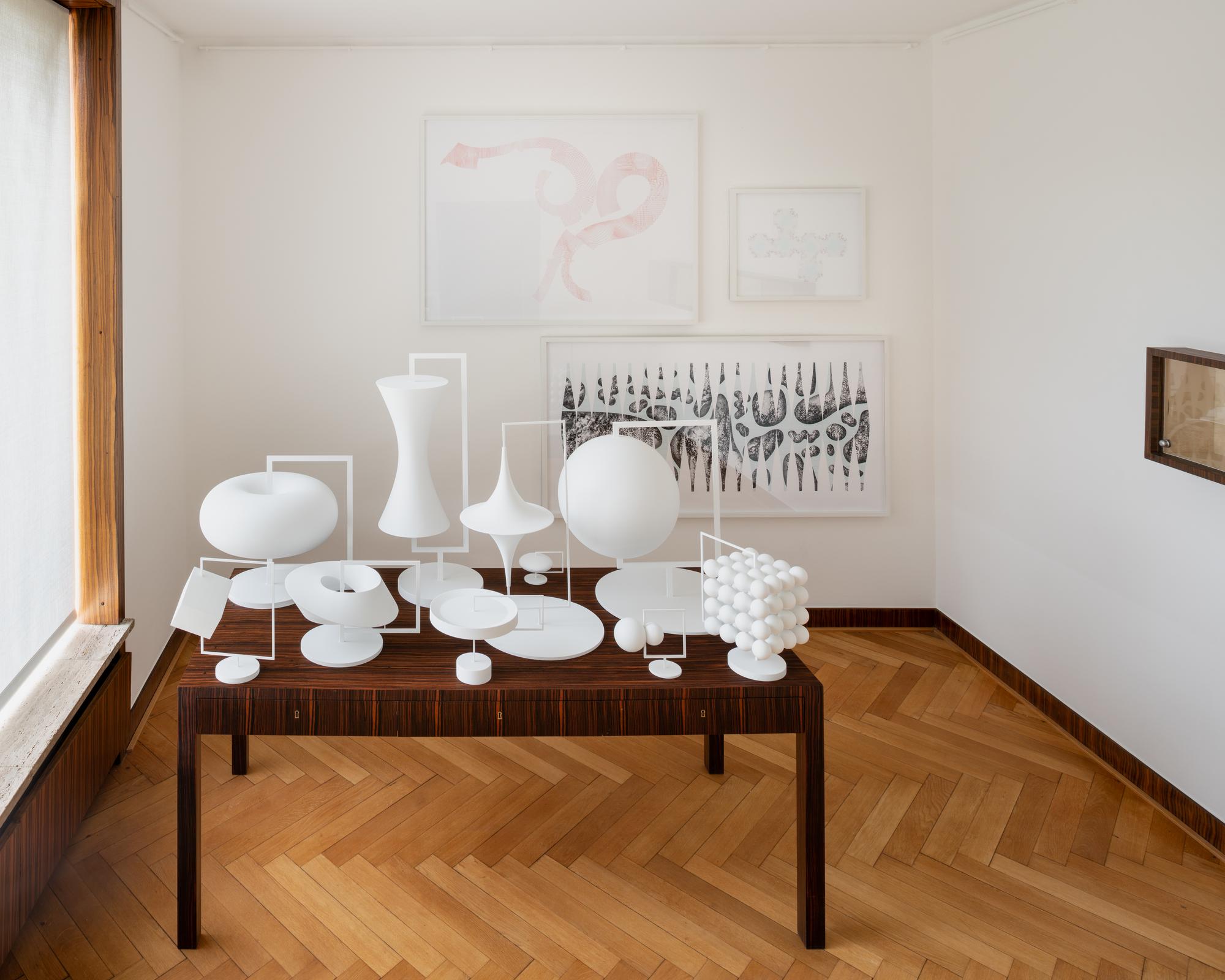
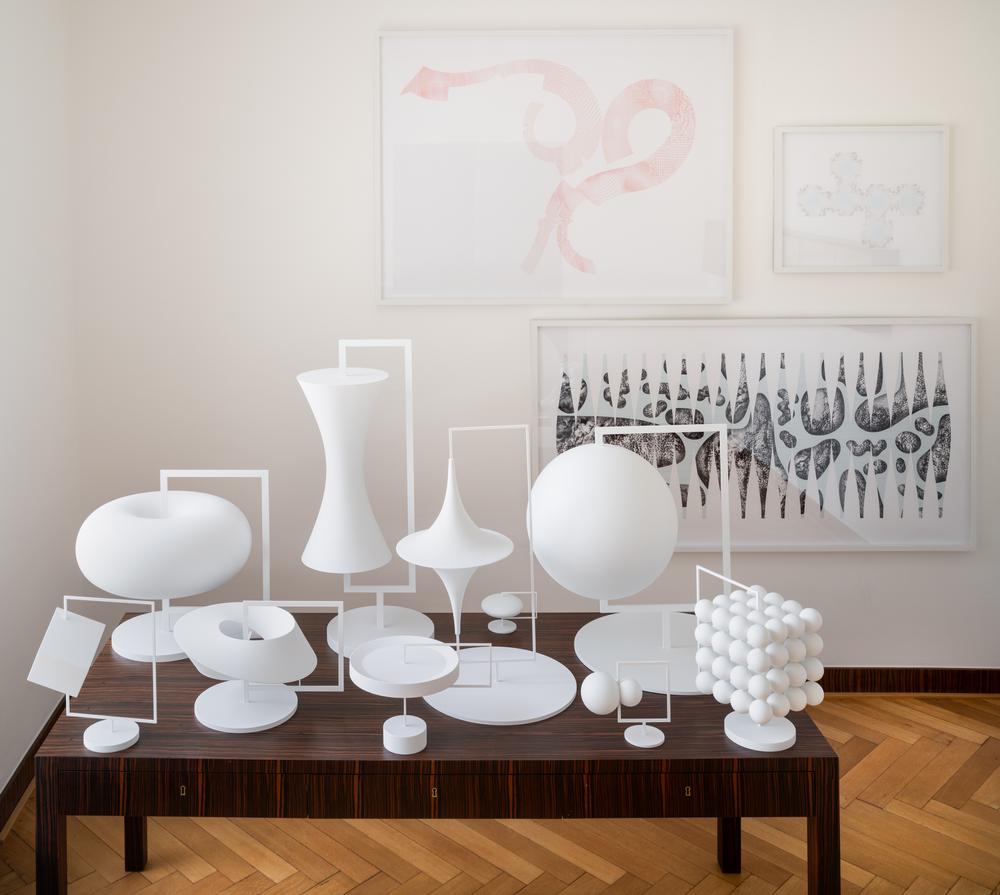
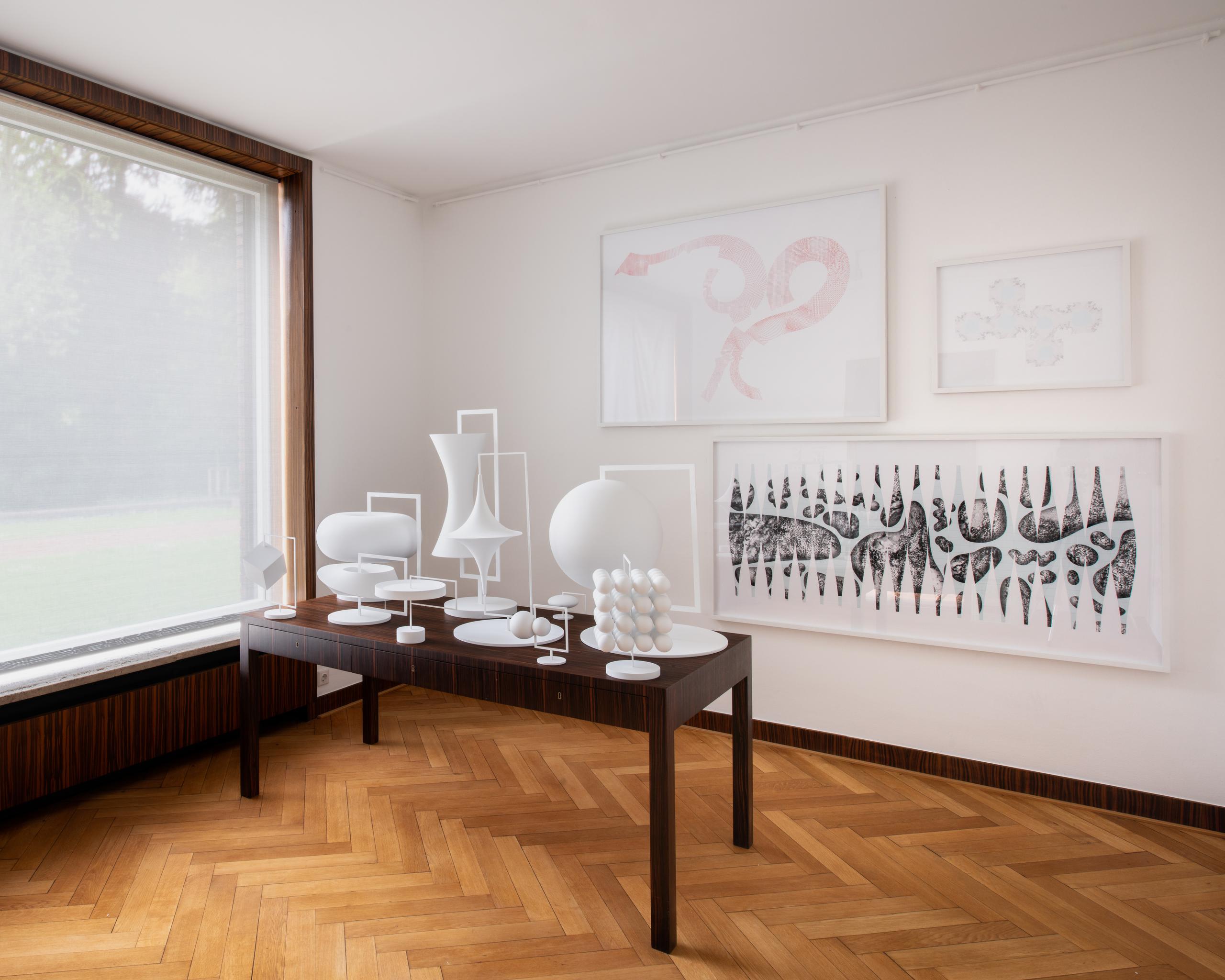
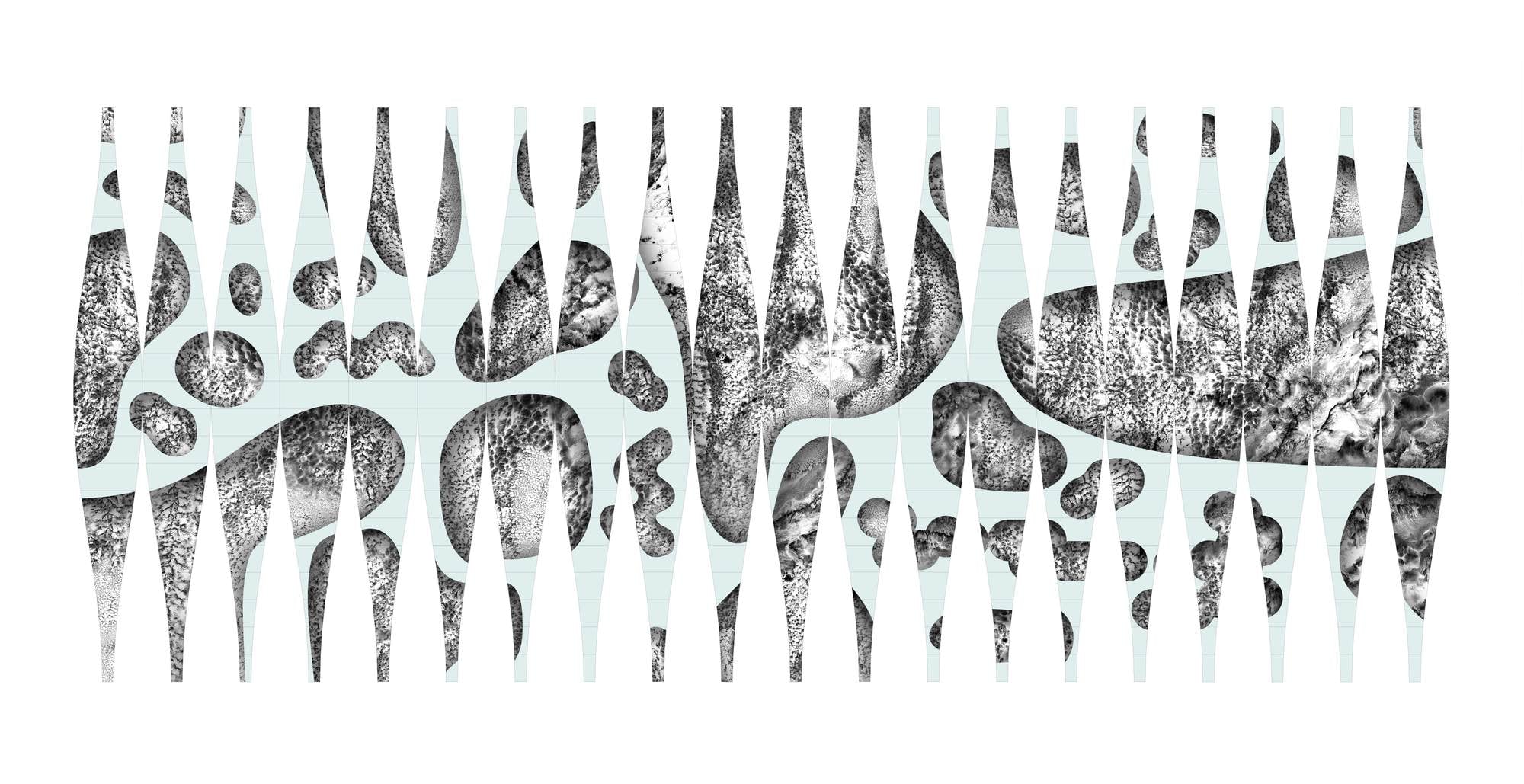

An Archive Of Impossible Objects: Globes
Speculative Design, 2019
Exhibited at the Centre Pompidou (2020) and Kunstmuseen Krefeld (2019).
Globes
The Globes are a commission from the Kunstmuseen Krefeld for its contribution to the Germany-wide Bauhaus100 program in 2019, marking the centennial anniversary of the Bauhaus:
“Living and dwelling go hand in hand. Countless different forms of domestic interiors are situated between the beautiful living environments featured in lifestyle magazines and public housing, between individual home design and visionary social models.”
In the late 1920s, the international architect Ludwig Mies van der Rohe (1886–1969) designed Haus Lange and Haus Esters in Krefeld—two villas that merge the personal style of their inhabitants and the architect’s own utopian aspirations. How did one live in these houses in the past, how mobile is our present-day society and what forms of living can be expected in the future are the main themes of the “Alternatives For Living” project. For this the Mies villas will be converted into a discussion platform. Sixteen international artists, architects and designers will realize innovative living and dwelling concepts for the two houses as well as the garden area.
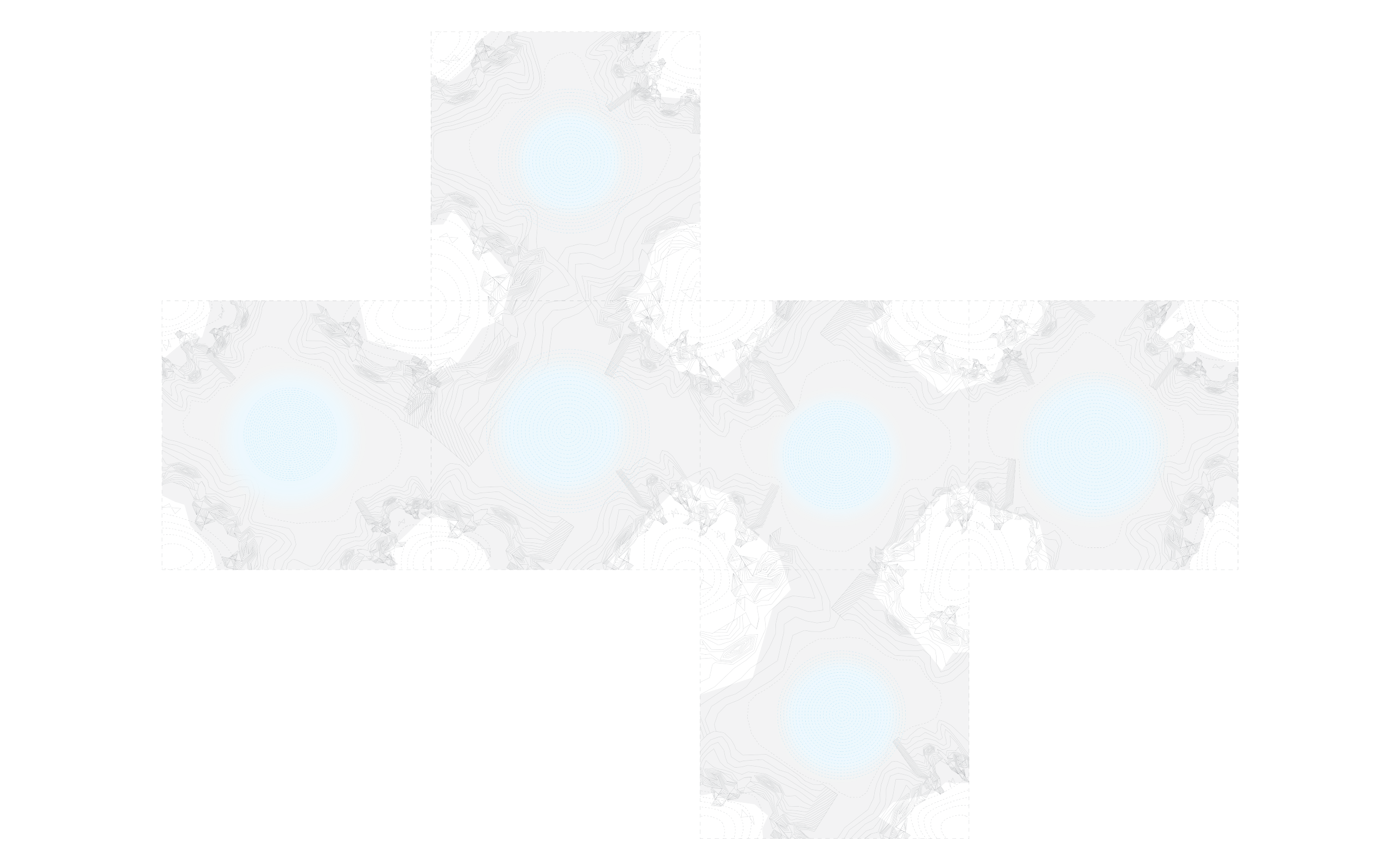
Our contribution focused on the globe. Today, as a domestic object, the globe is almost a form of kitsch, but we found its status as one of the oldest conceptual models of our world, made physical, fascinating. Rather than focusing on one world, ours, we identified other worlds from literature, amateur thought experiments and the fringes of science that represent different kinds of imaginations, all co-existing, jostling for room within one space. Three imaginary topographical maps accompany the globes, something we’d like to develop in future with other collaborators. Each map makes use of conventional markings, but don’t quite make sense, suggesting different kinds of atmosphere, climate, geology, forces, and fields to those shaping our world.
Special thanks
— Anthony Dunne, Project Lead
— Fiona Raby, Project Lead
— Katia Baudin, Director
— Sylvia Martin, Associate Director
— Magdalena Holzhey, Curator of Collections
— Julia Reich
— Carolyn Kirscher, Design Assistance
— Devon Reina, Design Assistance
︎ Project website Dunne & Raby
︎ Exhibition information
︎ Curators Statement (+ in EN)






Raising Robotic Natives
Speculative Design, 2016
︎︎︎︎︎ Part of the permanent design collection of the Philadelphia Museum of Art.
Artifacts for generations growing up with robots
Raising Robotic Natives explores interactions between children and robots that could raise them as the first generation of robotic natives.
Just like digital natives grow up in the digital world, robotic natives are born into an environment that is adapting to robots. As a result of unbiased, childlike enthusiasm, they are socialized with the technology early on. Through constant robotic interactions and formalized education, robotic natives get to think differently about robots than we do. It will be their responsibility to shape the future of robotics, not ours—besides we’re robotic immigrants, after all.
Setting
Why do future visions of robotics incite discomfort in our generation? Could robots truly render us obsolete or is it our fear of losing control? And are these fears conditioned or instinctive?
While the media portrays robots as two-legged sentient humanoids, the reality is that robotics is just not there yet. This project is about the near future: about what we might encounter on the way to implement science fiction.
Apart from appliances like Roombas sweeping our floors, we imagine that post-industrial robots could soon find their way into our homes—in fact, they pop up on Kickstarter already. We’re seeing a similar development as with 3D printers in the last years: prices for industrial robots drop while performance increases. The availability of these technologies has invited a whole new ecosystem of people to hack, tinker, and dream up new applications.
We assume that this ecosystem of people — creatives, early adopters, etc. — will be the innovators helping their children become robotic natives.
Raising Robotic Natives presents four objects that each stand for one influencing factor, a condition or step towards becoming a robotic native.
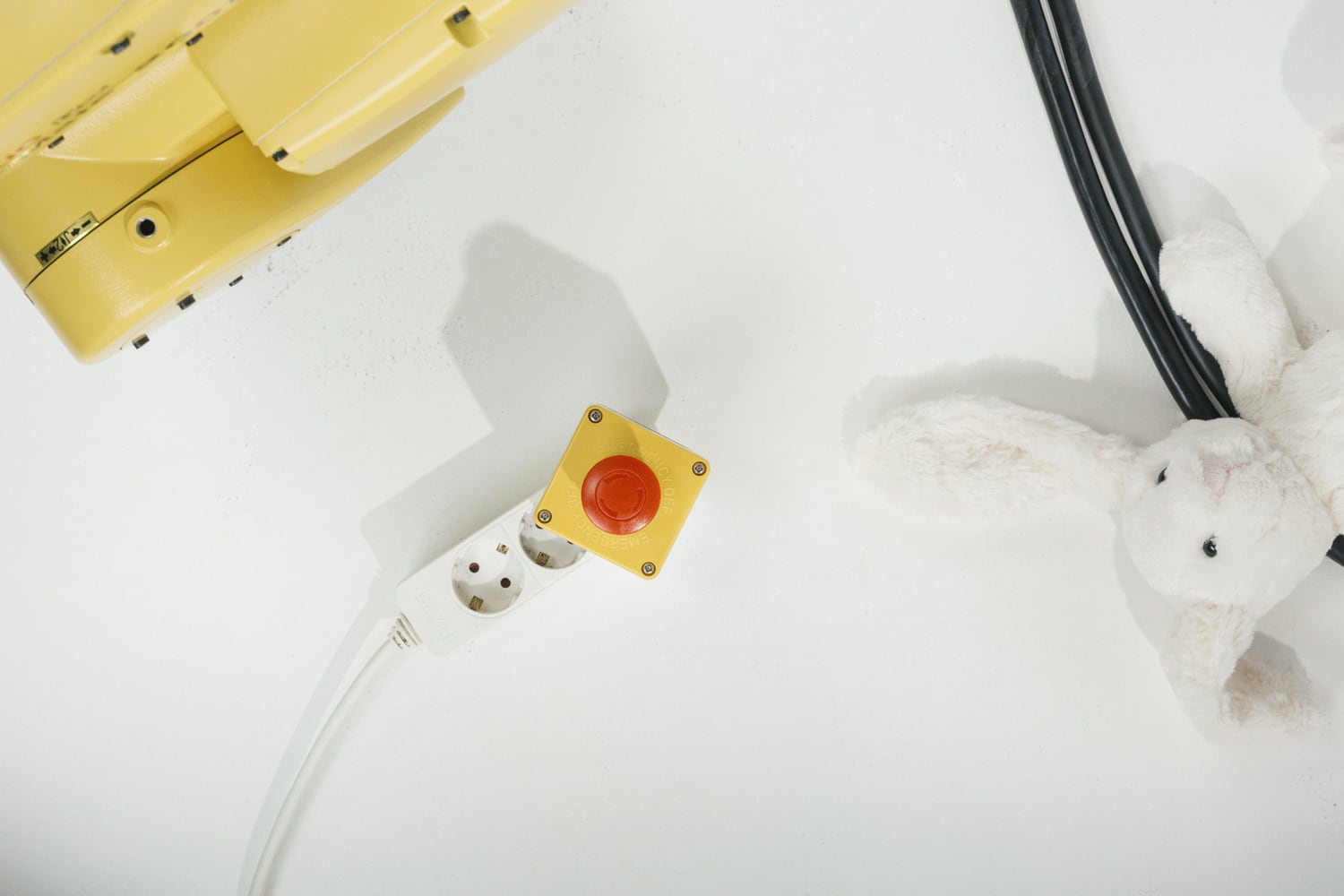
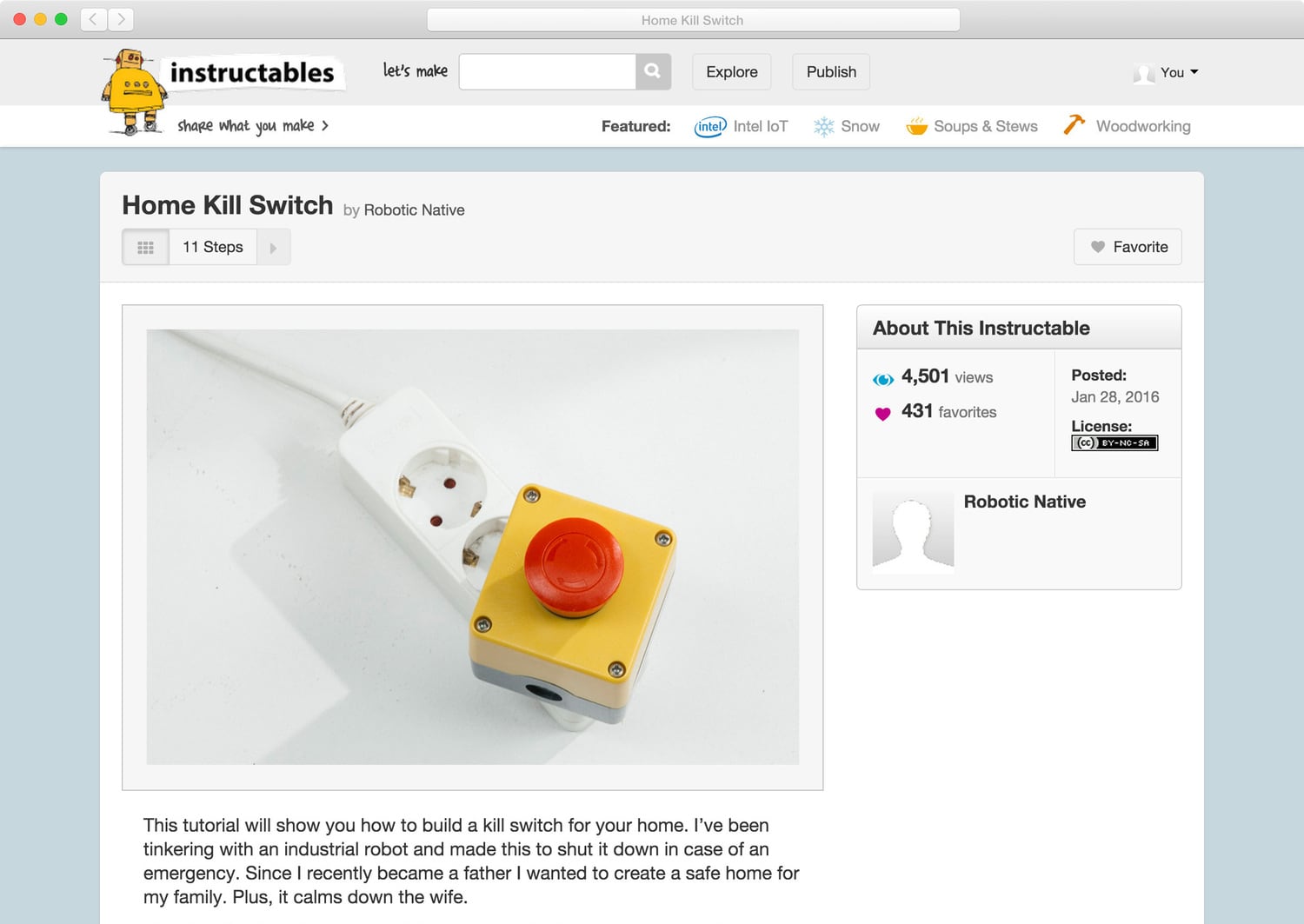
1. Infrastructure—Living Room Kill Switch
Just like digital natives are born into the digital age, robotic natives are born into an environment (partially) adapted to suit robots. The Living Room Kill Switch explores what the advent of robots might mean for domestic infrastructure.
The device is a simple hack: plug it into any regular socket. When pressed, it triggers a short circuit, shutting down all electricity.
The Living Room Kill Switch satisfies an increasing need for security. Being that robots are devices traditionally reserved for the workshop and factory, at home it gives the feeling of unease, reminding of us of the possible dangers these machines once posed.
Through government regulations, home security measures like this even become a necessity—just like smoke detectors in the past. For future children, the concept of "home" might be adapted to this integration of robotics; they will have to be sensitized to behave appropriately around robots.
People are already Roomba-proofing their homes. Likewise, the kill switch poses questions about the aesthetics of the robotic home before we arrive at sophisticated, two-legged robots that can interact with the world just like humans do.
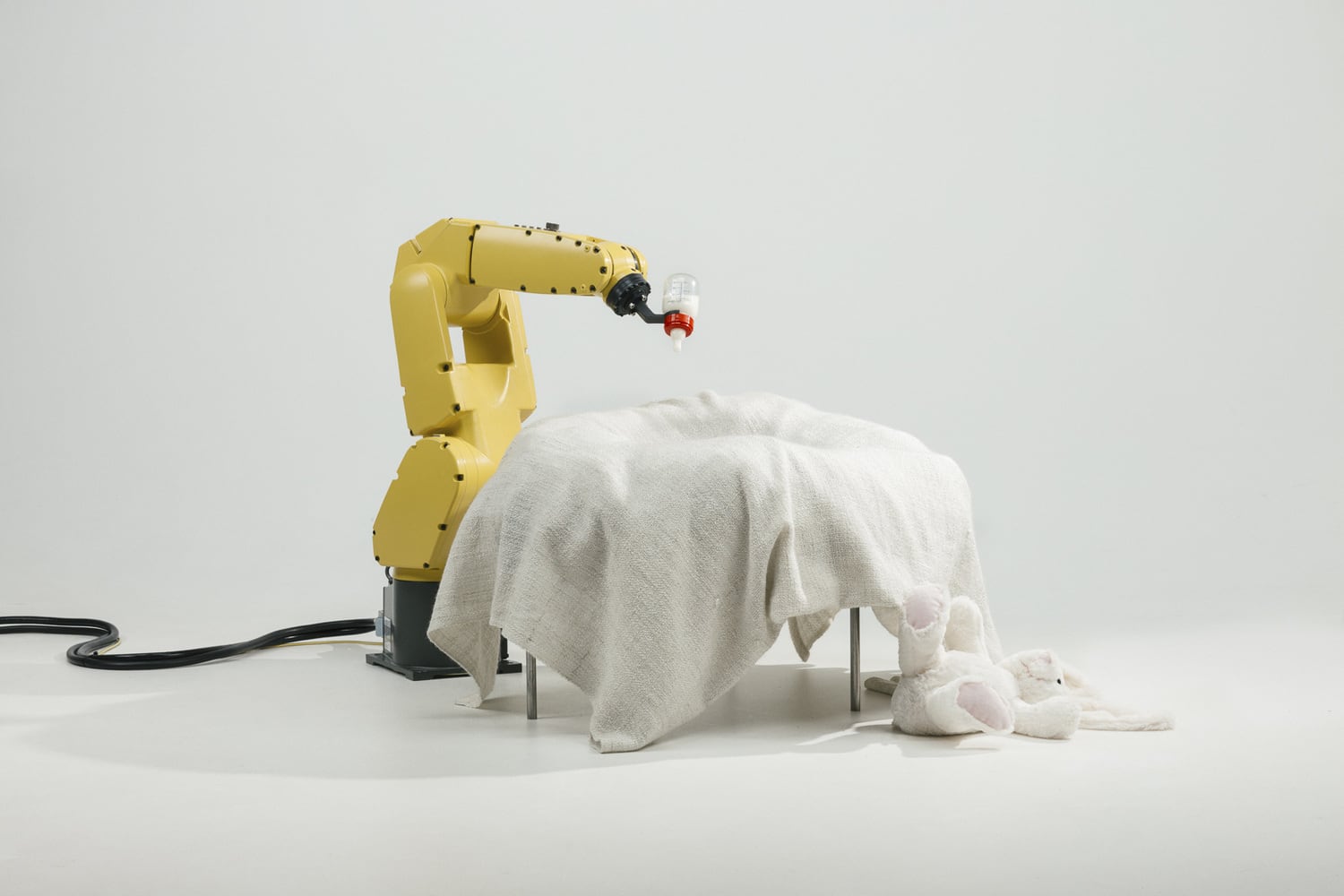
2. Exposure—Robot Baby Feeder Toolhead
Robotic natives are exposed to robots early on, without a choice. A special bonding between man and machine might occur.
The Baby Feeder toolhead fits a standard baby bottle and enables the robot to bottle-feed a child. In true automation fashion, it saves parents 15–30 minutes per meal. This makes for a significant increase in efficiency.
The Baby Feeder explores where we draw the line of just how much automation we consider desirable. The company behind Nespresso already offers capsules for baby milk. Should we let robots replace humans in those activities we considered most intimate?
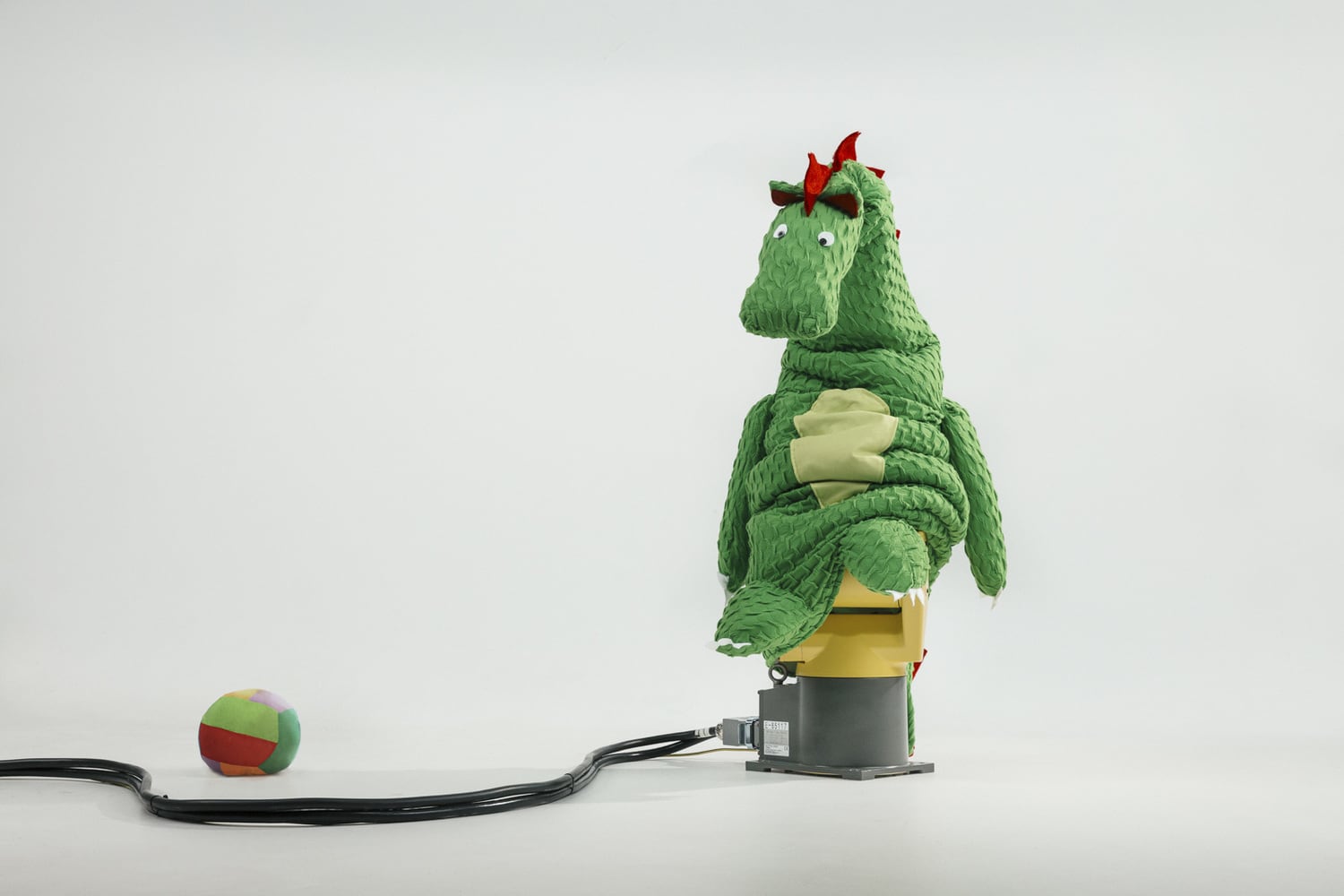
3. Play—Dragon Costume For Industrial Robot
Constantly being around robots while growing up allows for innumerable interactions between children and robot. Robotic Natives become proven users of the technology and develop other mindsets or possibilities for what robots can do or provide compared to robotic immigrants.
A fluffy costume makes the robot a play partner. Remember Furbys? Roleplay is very important for the personal development of a child. It helps the child process experiences, acquire skills and explore its personality. By personifying the robot to become a cute dragon, we want to explore its social status in society. Could robots exceed their role as tools if they are made more approachable?
With more and more toys becoming digitized, affordable robot animals could be the evolution of playthings. Would you want to play with them or would you still be scared?
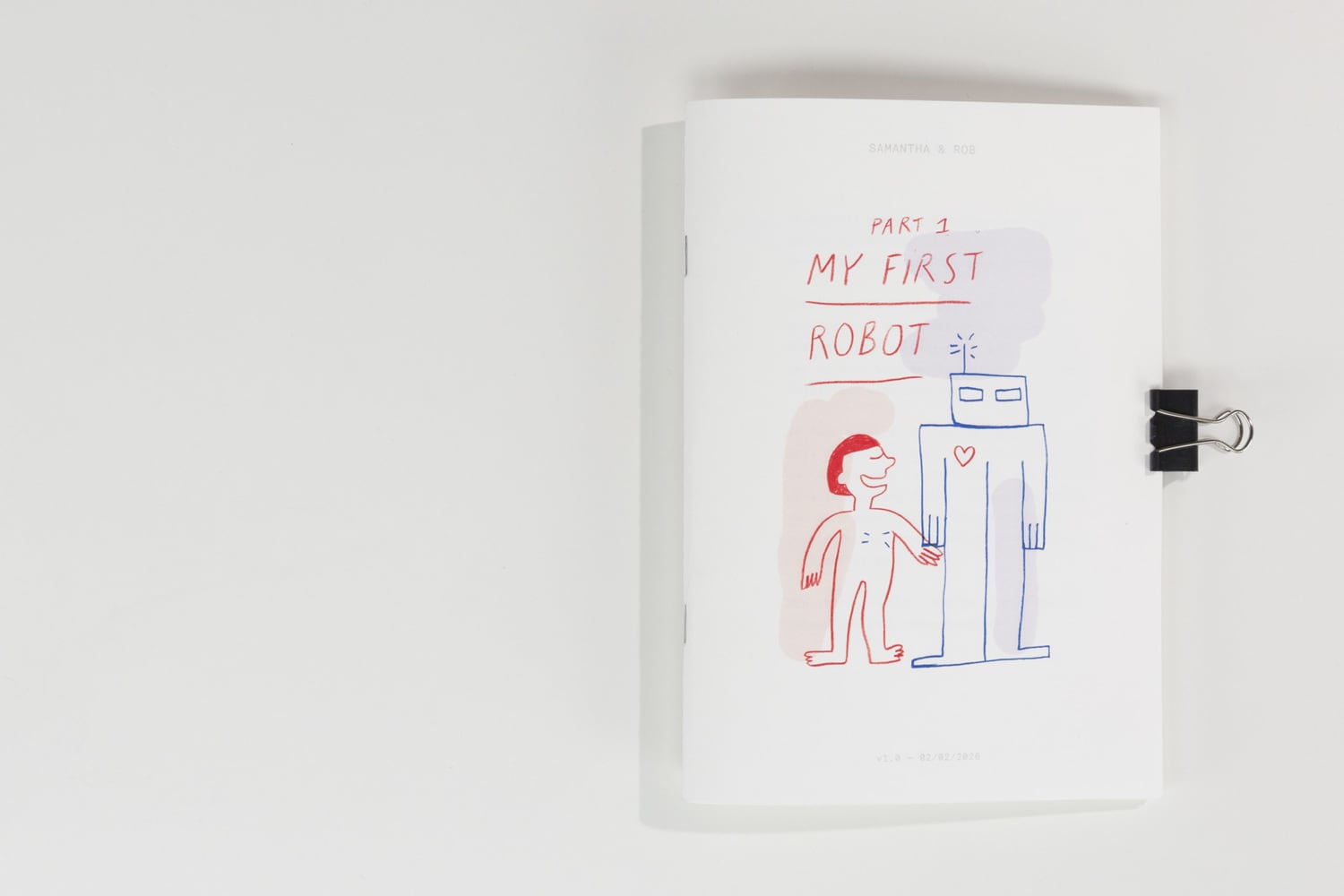
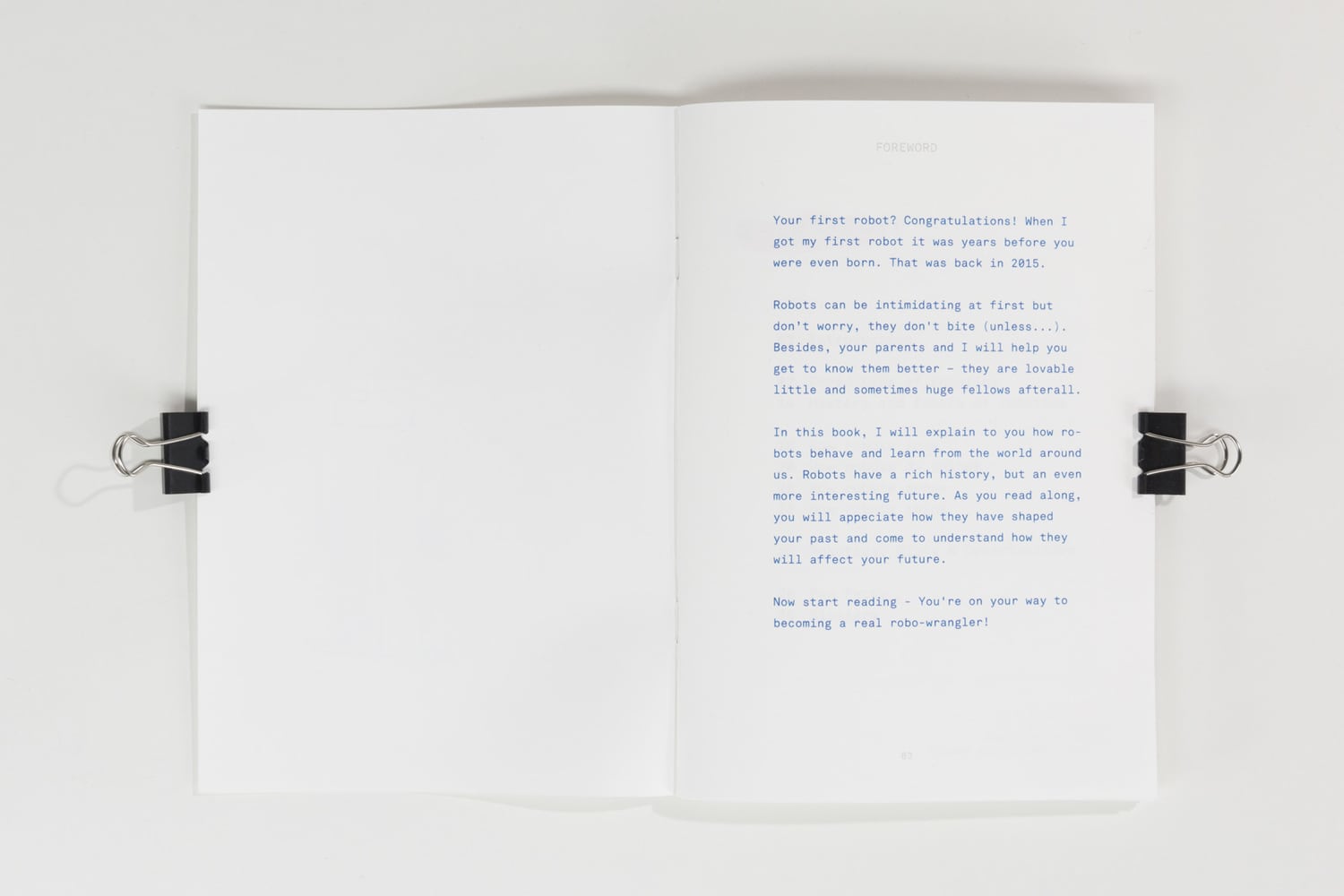
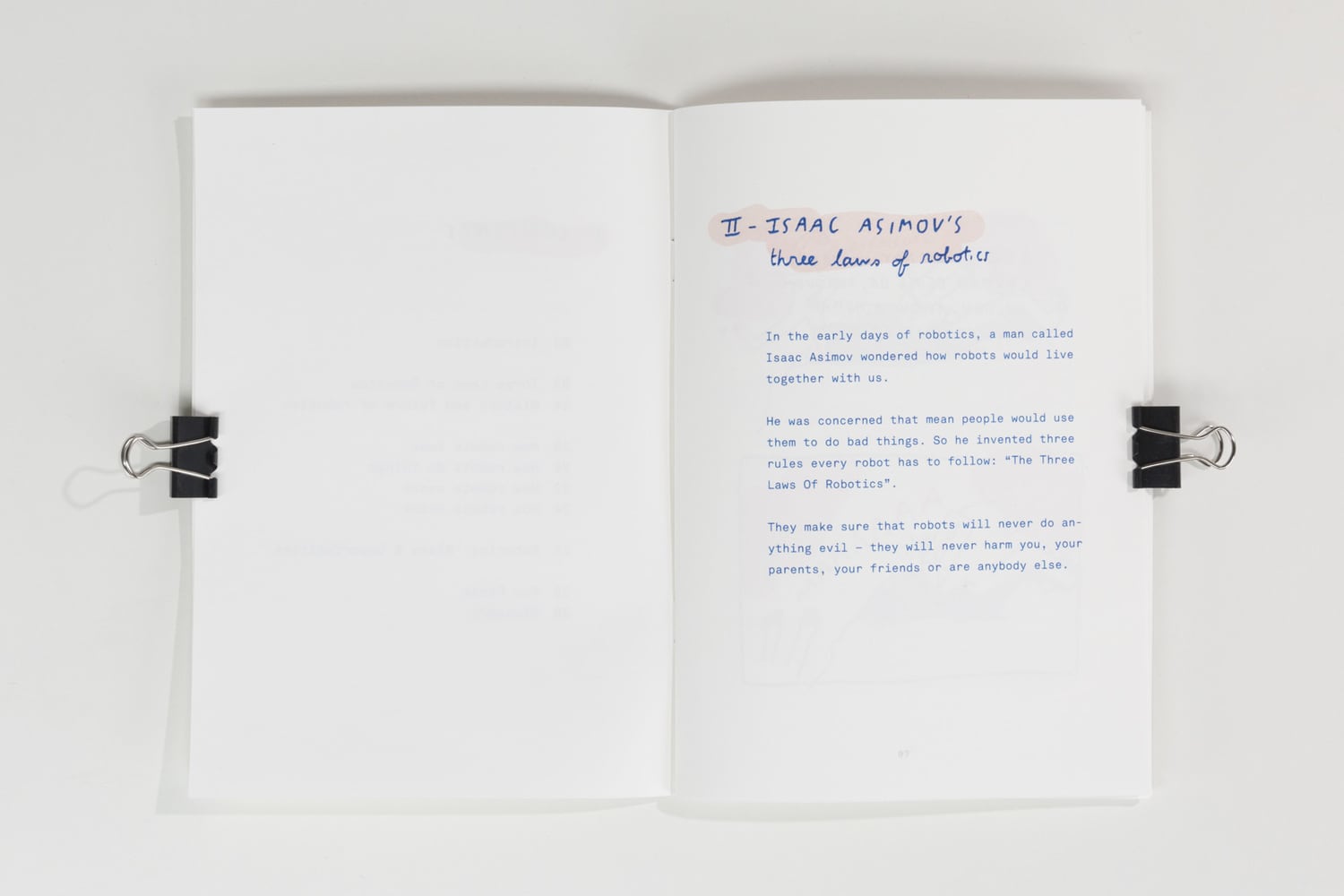
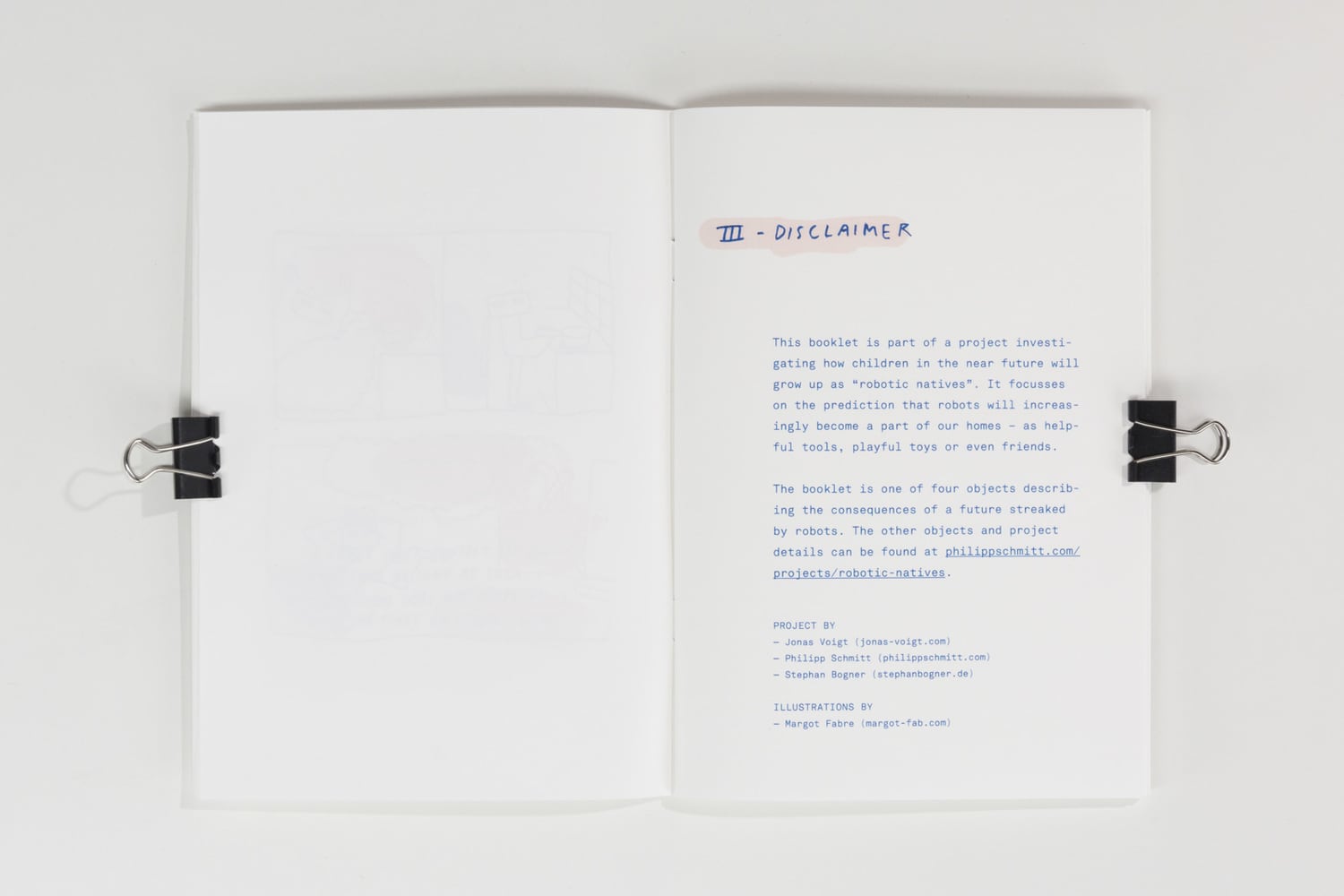
4. Education—“My first Robot” Children’s Book
Robotic Natives pose new educational challenges. The necessity for them to keep up with the most important technology of their time influences school curricula and career choices.
My First Robot is a children’s book, written in an educational interest. It offers an introduction to the history, present and possible future of robotics. Child-friendly illustrations of Asimov’s Three Laws of Robotics hint at debates about potential risks of artificial intelligence.
The book raises the question about the necessity of school education in robotics, similar to coding initiatives today. When do we need to start teaching children about robots? Will education of automation technology ultimately lead to a competitive advantage for nations or undermine economies?
Regarding the future of robotics, experts agree on one thing: that it is complex and too difficult to predict. Raising Robotic Natives depicts one possible future that might be only partially desirable. Let’s wait until robotic natives are old enough to tell us about it.
Open Source
As mentioned earlier, we believe that the open-source community will foster robotic natives, even before the market adapts to their needs. As a start (and to facilitate debate), we’ve published instructions for making these objects:
- Living Room Kill Switch
︎︎︎︎︎︎ not published due to safety concerns - Robot Baby Feeder Toolhead
︎︎︎︎︎ download from Thingiverse - Dragon Costume for Industrial Robot
︎︎︎︎︎ read instructions on Instructables - “My First Robot” Children’s Book
︎︎︎︎︎ read on Issuu
Credits
Concept, Development, Design with Stephan Bogner and Philipp Schmitt.
Thanks to Margot Fabre for the illustrations and Joey Lee for proofreading.
Further thanks to Prof. Hans Krämer at Hochschule für Gestaltung Schwäbisch Gmünd and Anja Soeder at B612.
︎︎︎︎︎ Feel free to ask for the comprehensive documentation.
Becoming Tree
Design Research, 2017
There are only two paths ...
... the end of the world;
... the beginning of the New.
The New Nature Institute initiates projects to question what policy-making processes could be if we listened to non-human entities. These are traditionally excluded from politics, particularly those related to climate negotiations.
Accepting that humans are currently limited by speech, language, and our very cognition, the institute explores what happens to human politics when we attend to other voices. Through progress in ornithology may we regard human language as a further development of communication systems, rather than being uniquely human. The ecological term of symbiosis describes an interaction between dissimilar organisms living together in a more or less intimate association. The two organisms—birds and trees—are nearly inseparable.
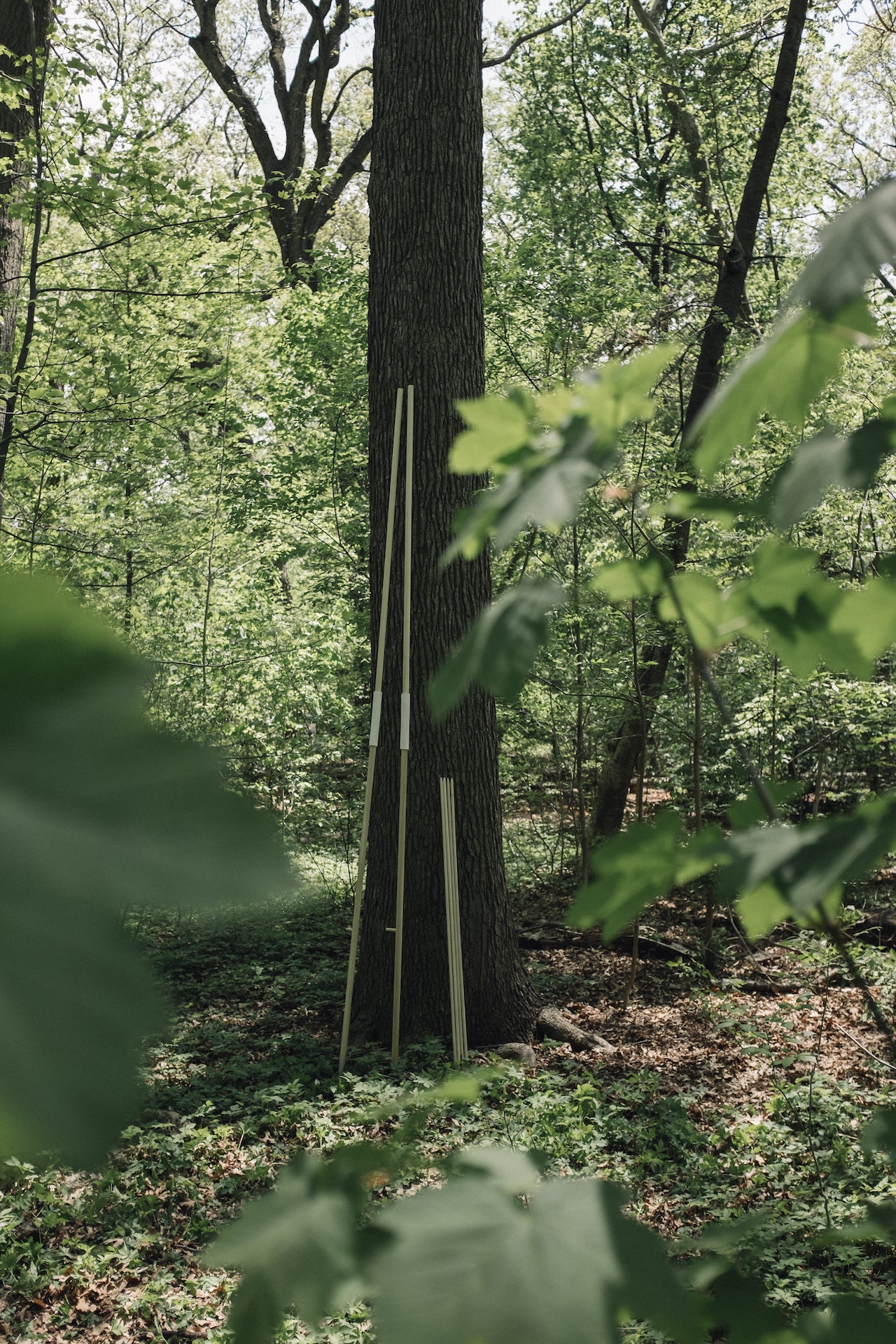
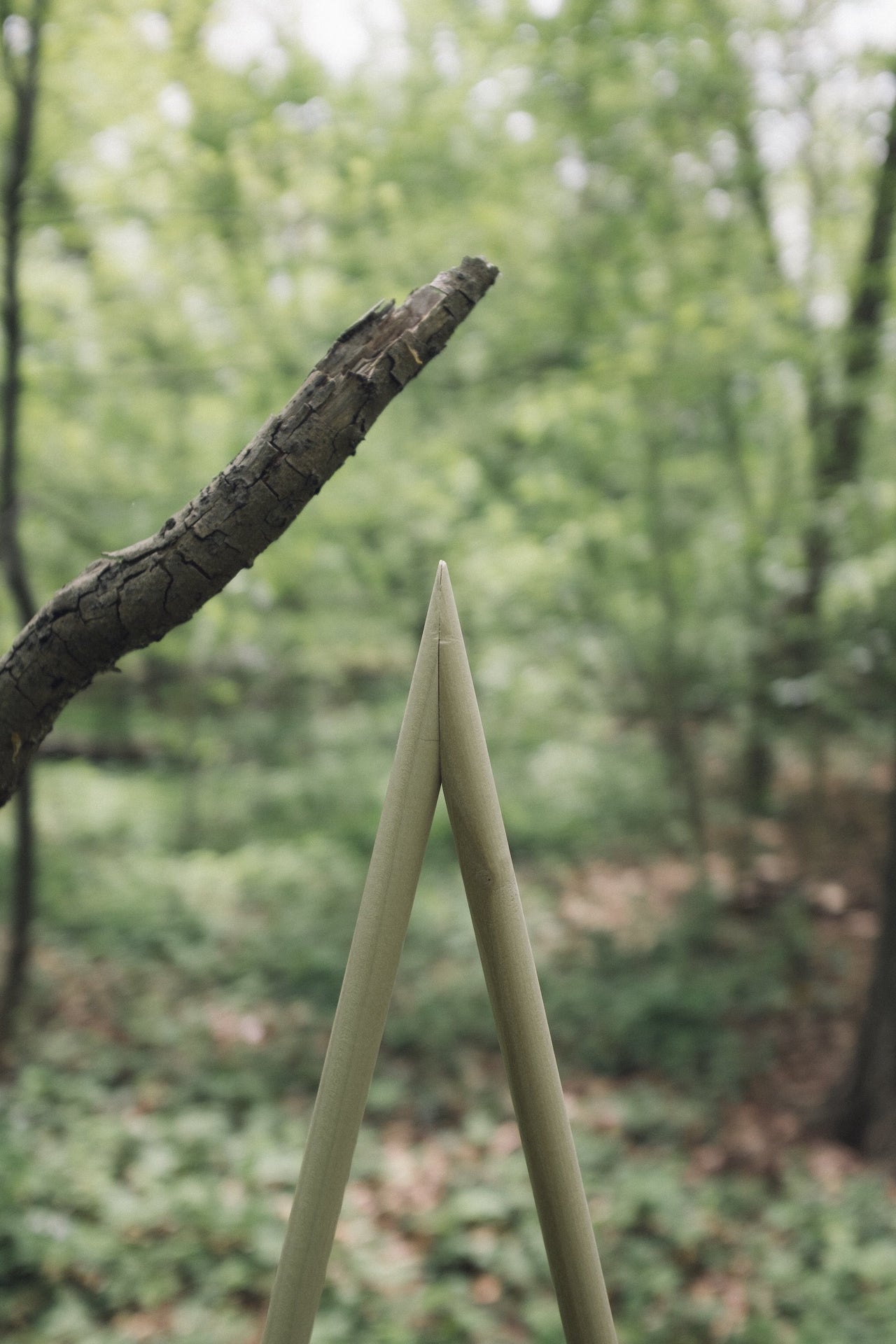
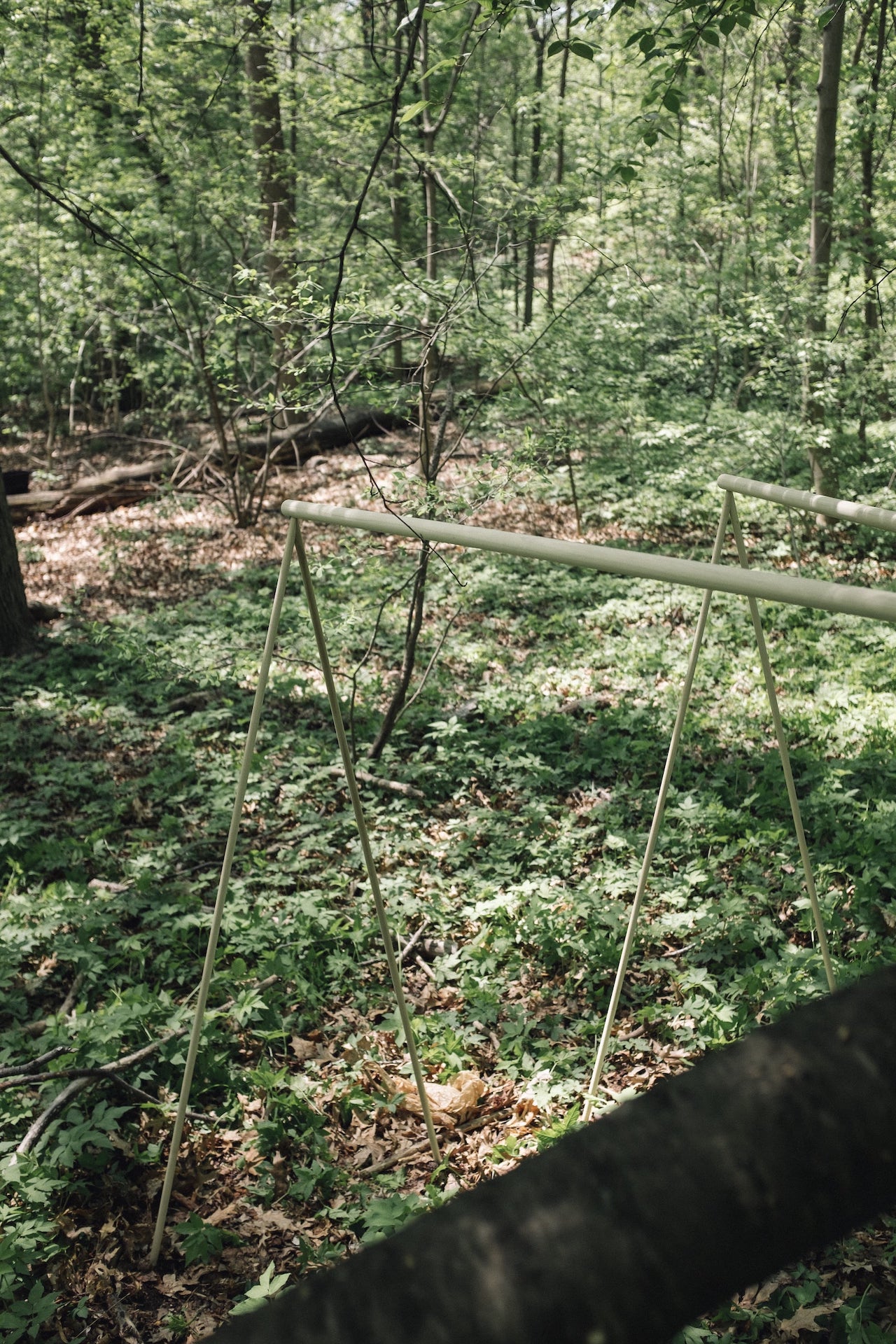
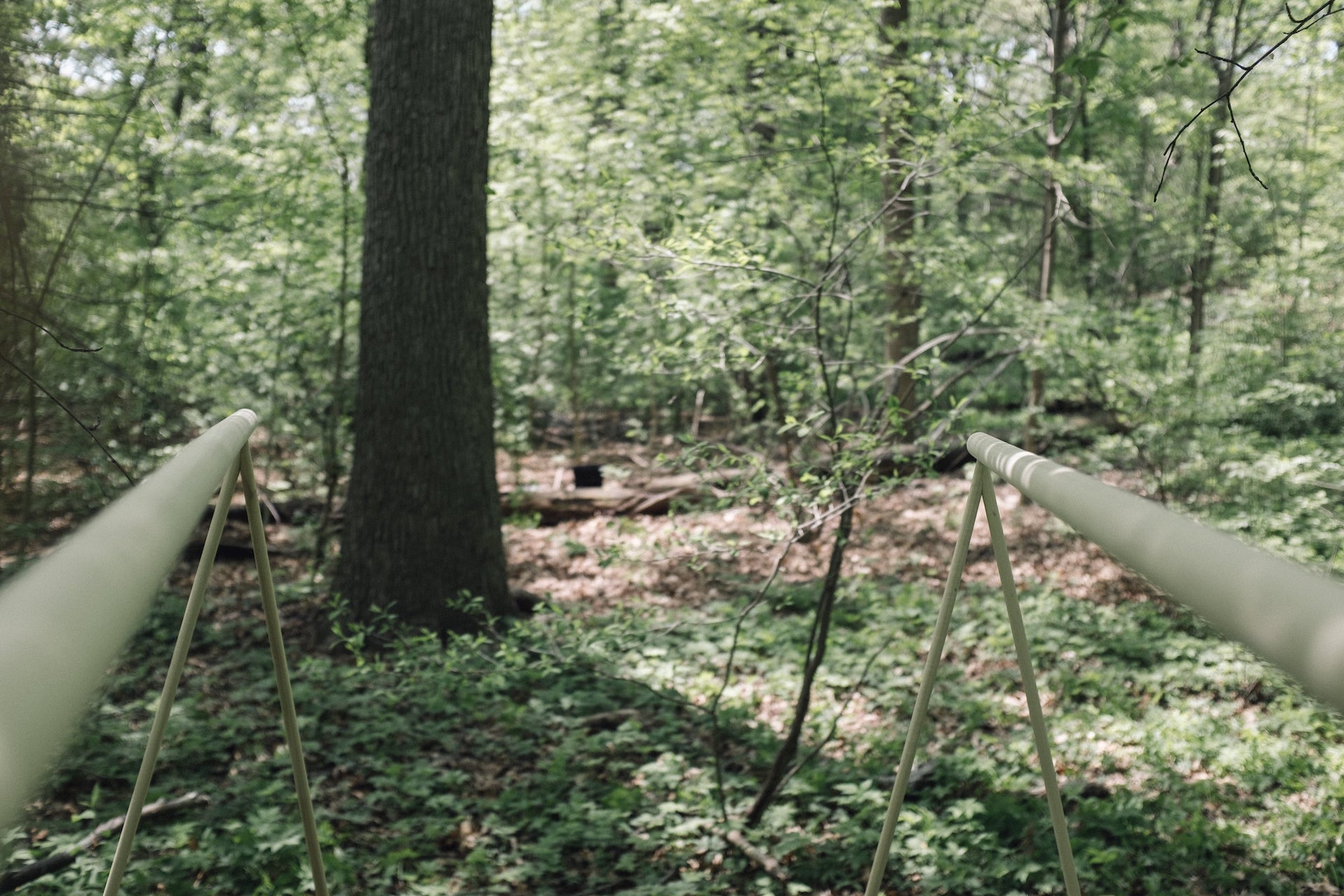
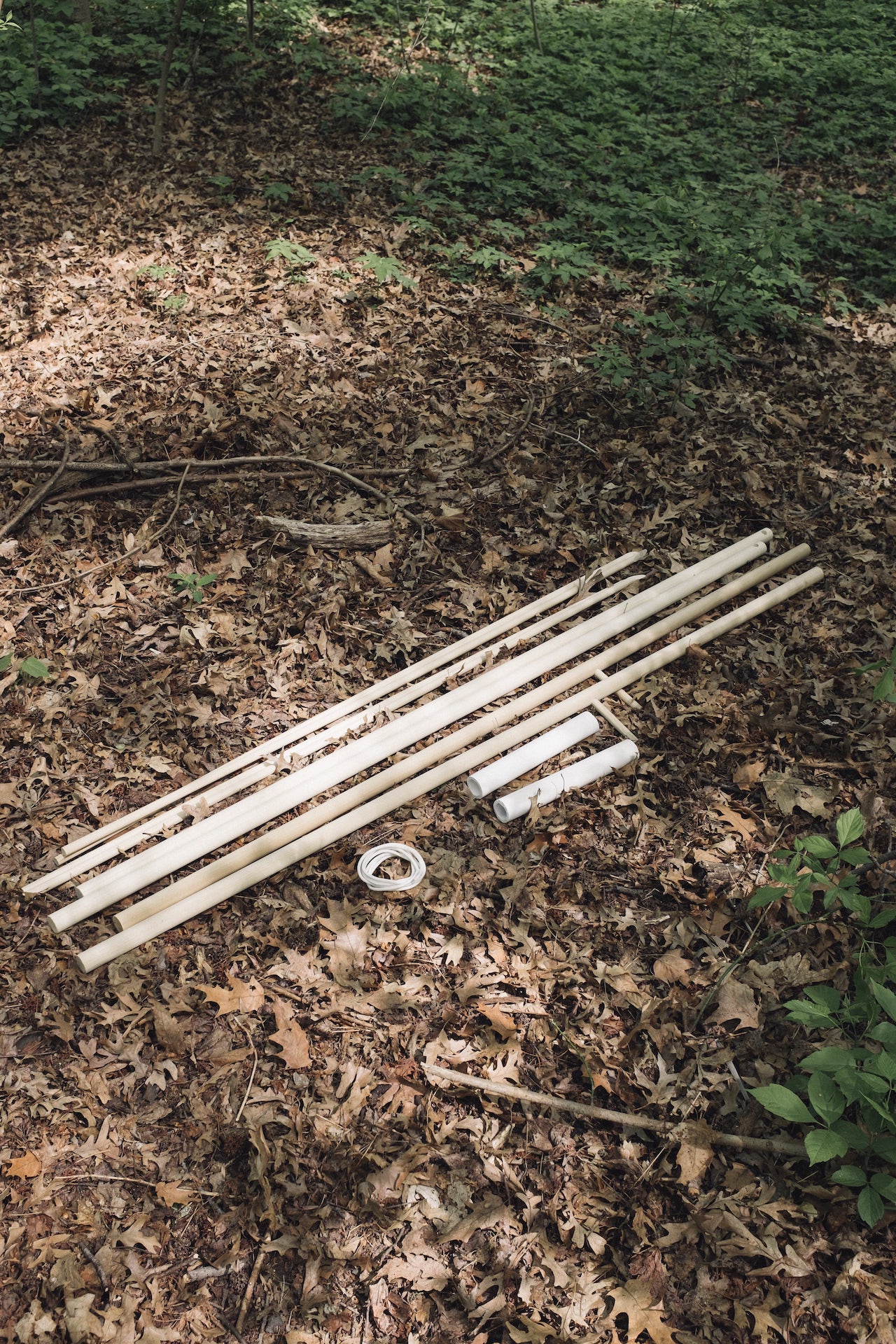
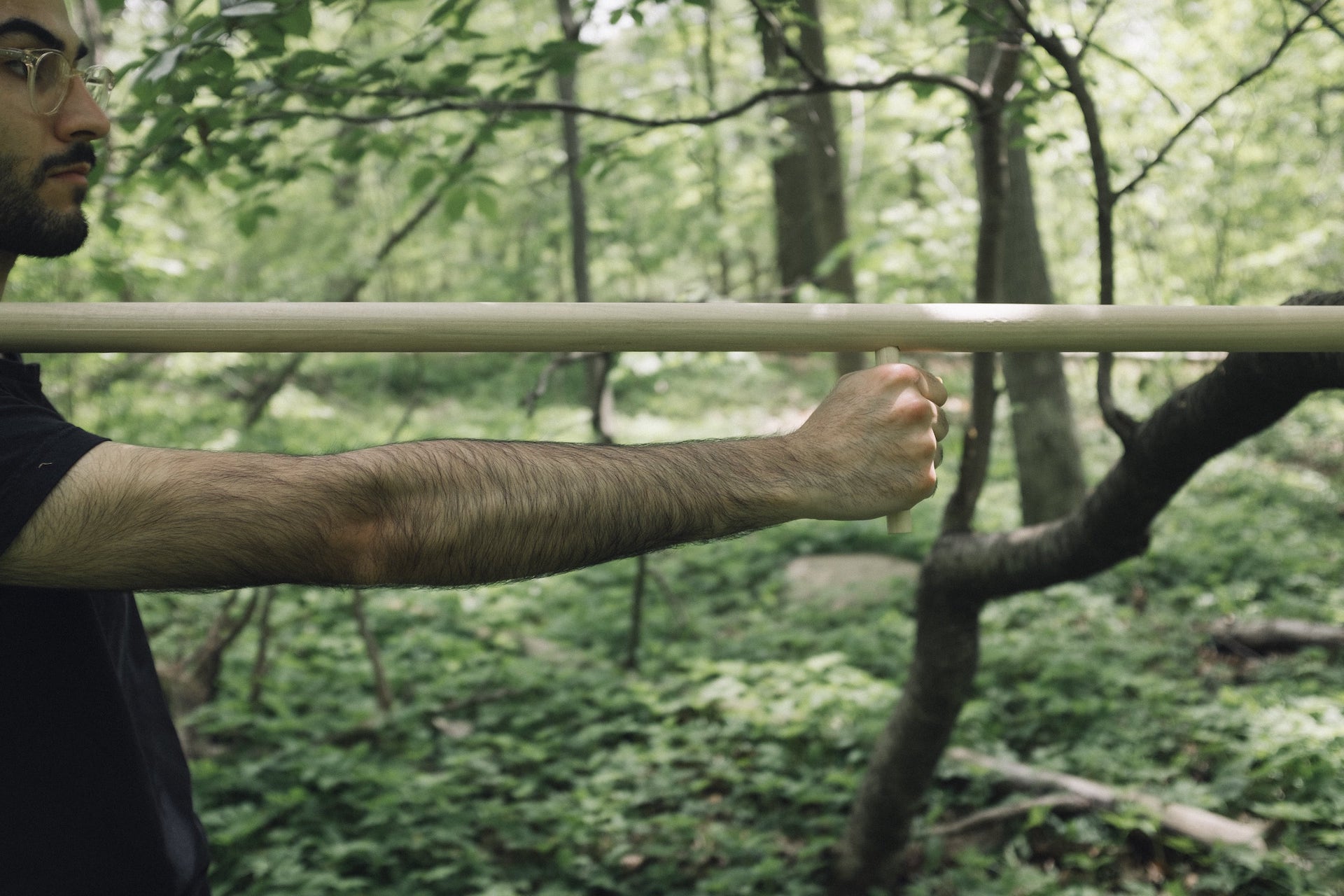
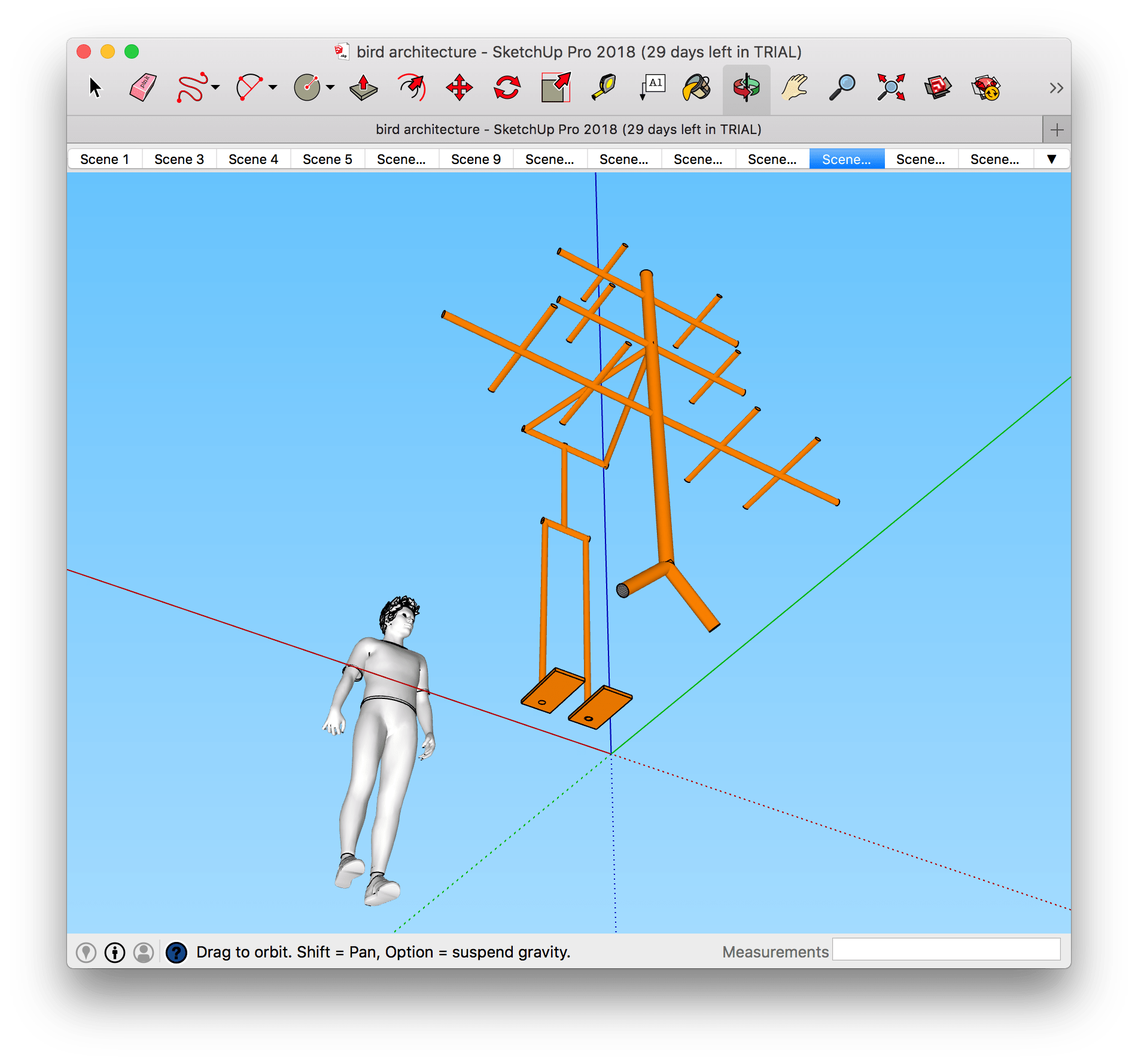
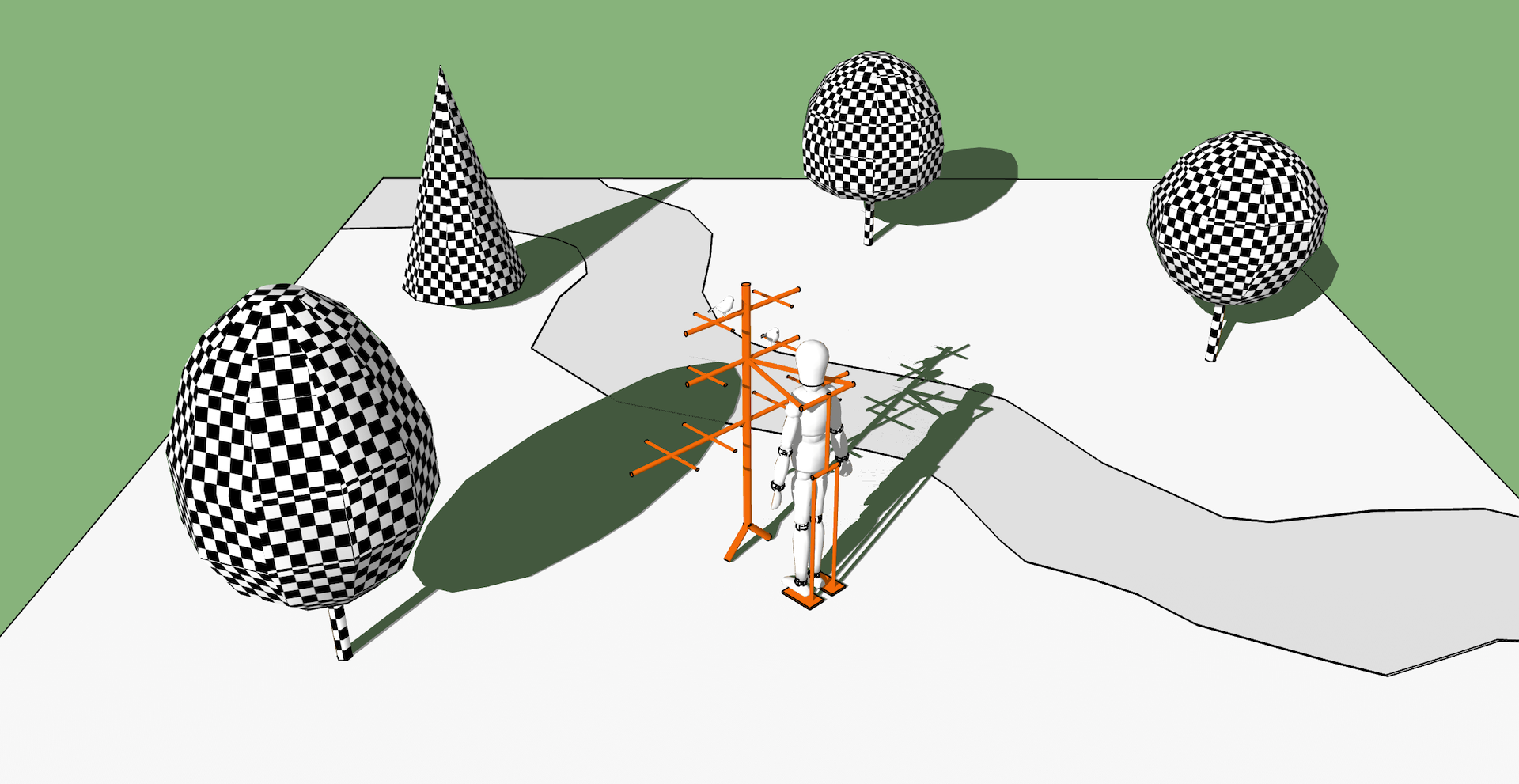
Becoming Tree is the first experimentation of a series. This project explores modes of attention and interactions. Learning to listen to the non-human, in paying very close attention to voices talking in our surrounding environments, is the focus.
Process artifacts
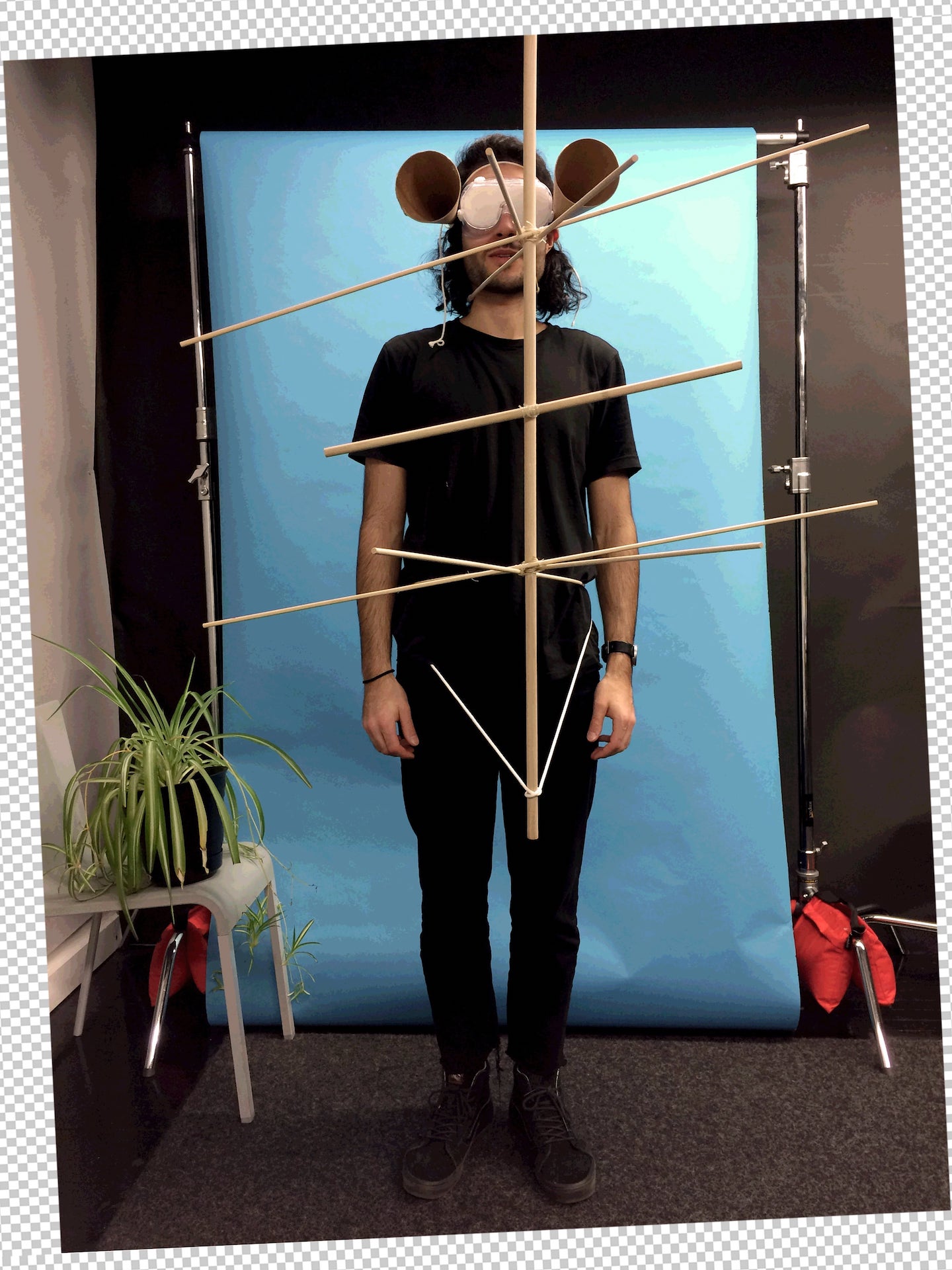
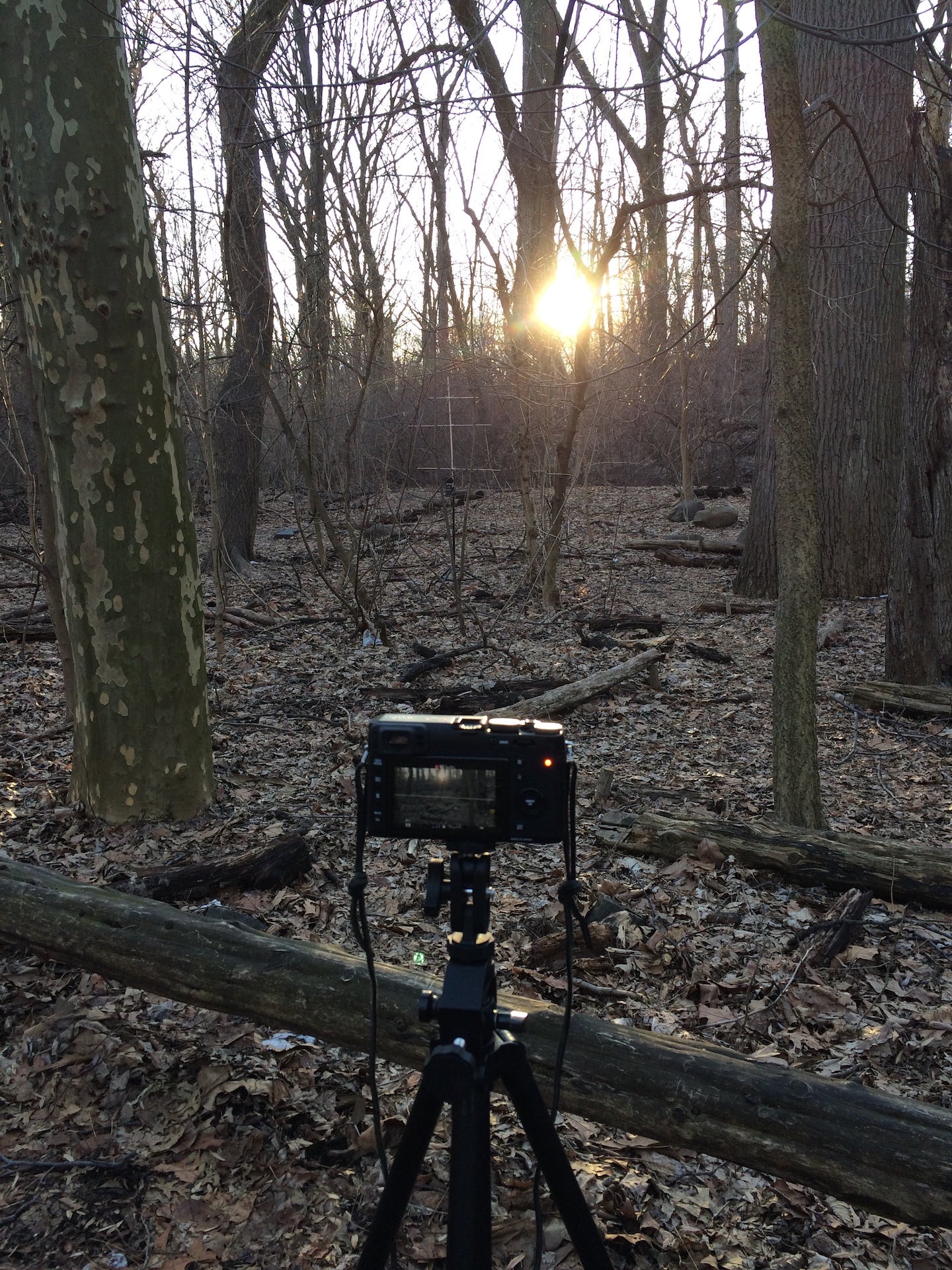
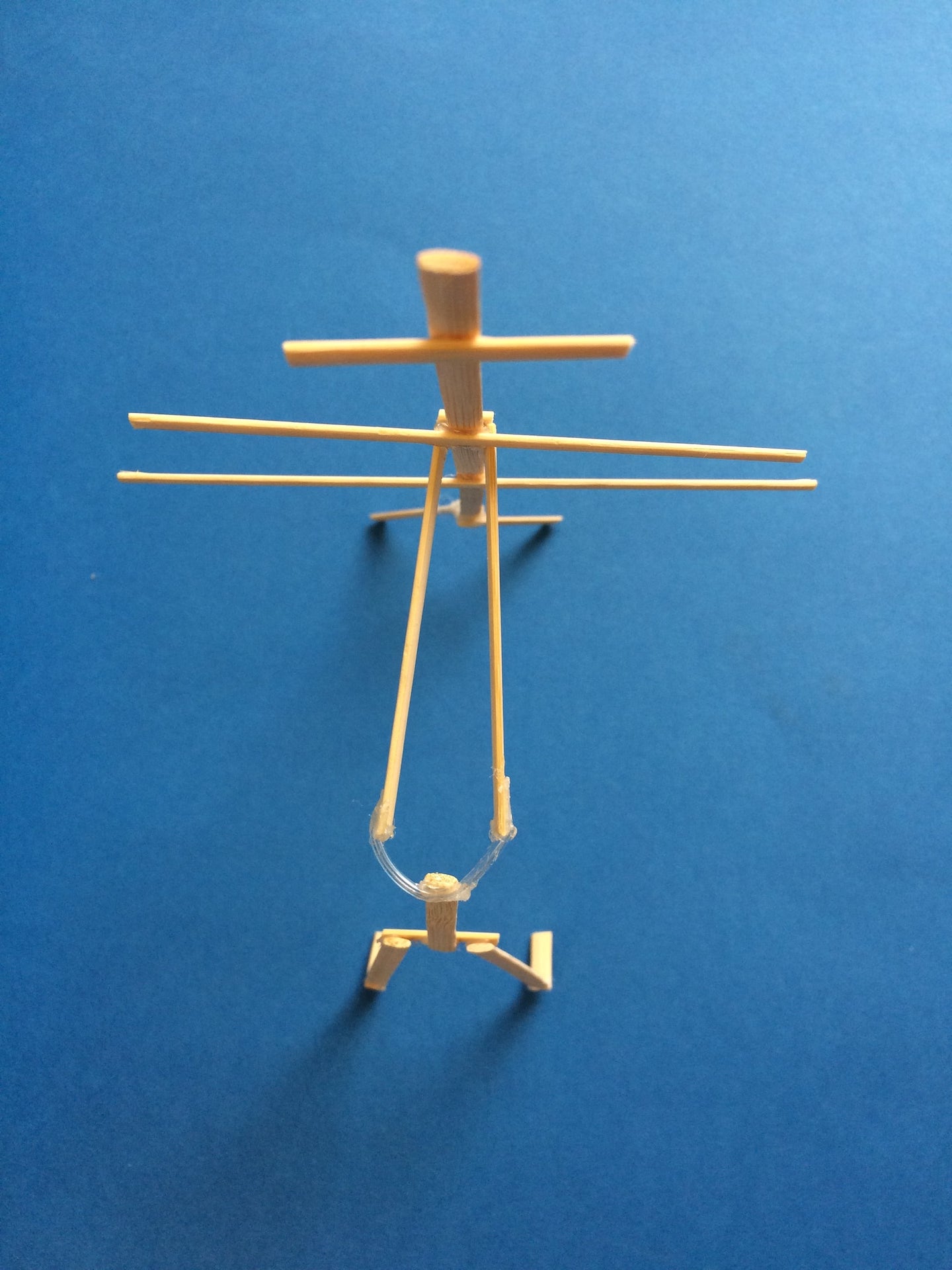

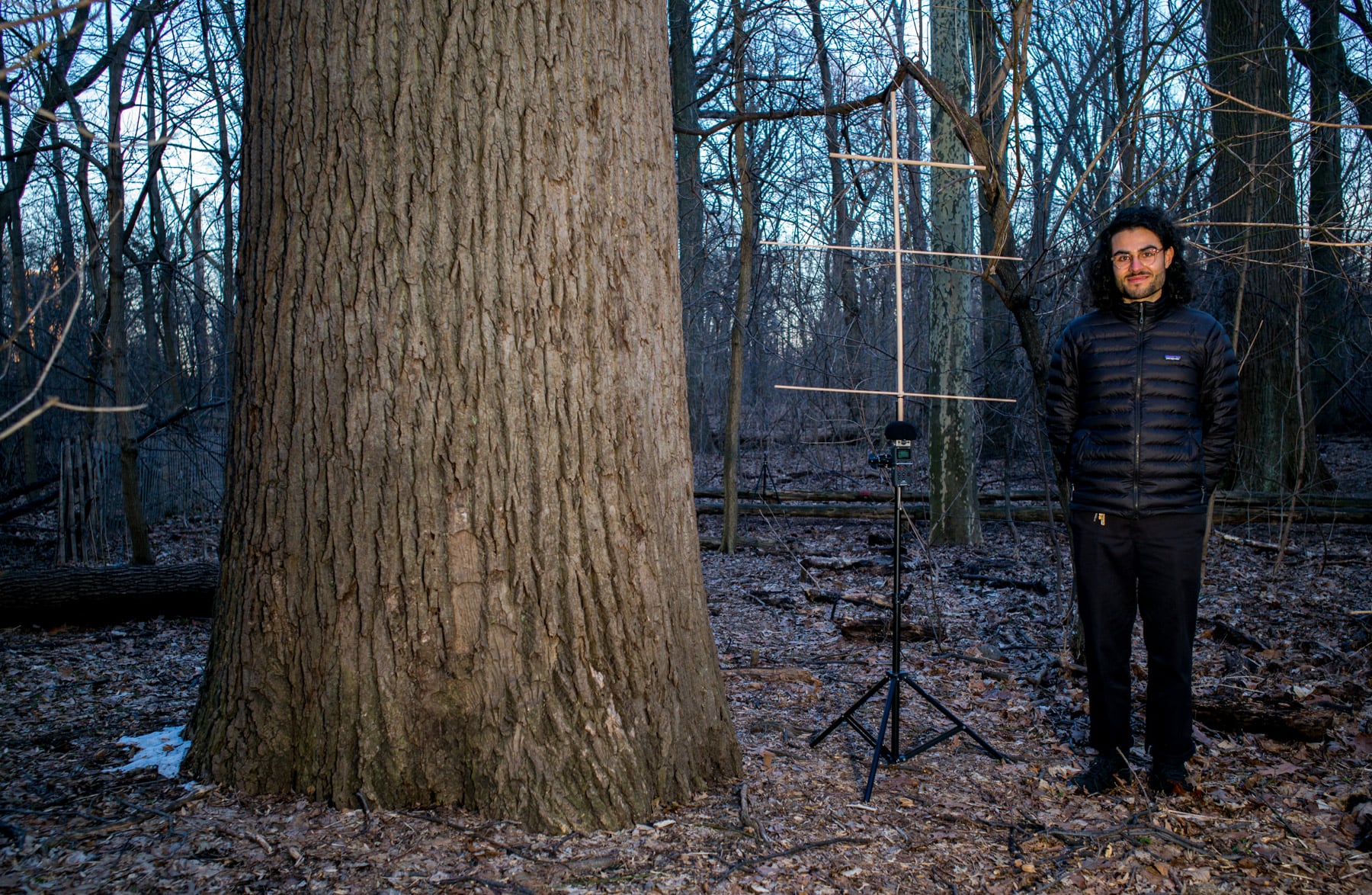


Credits
Special thanks to Anthony Dunne and Fiona Raby at the Designed Realities Studio.










Preventing Body Contamination—Through air and nutrition
Speculative Design, 2017
Scenario
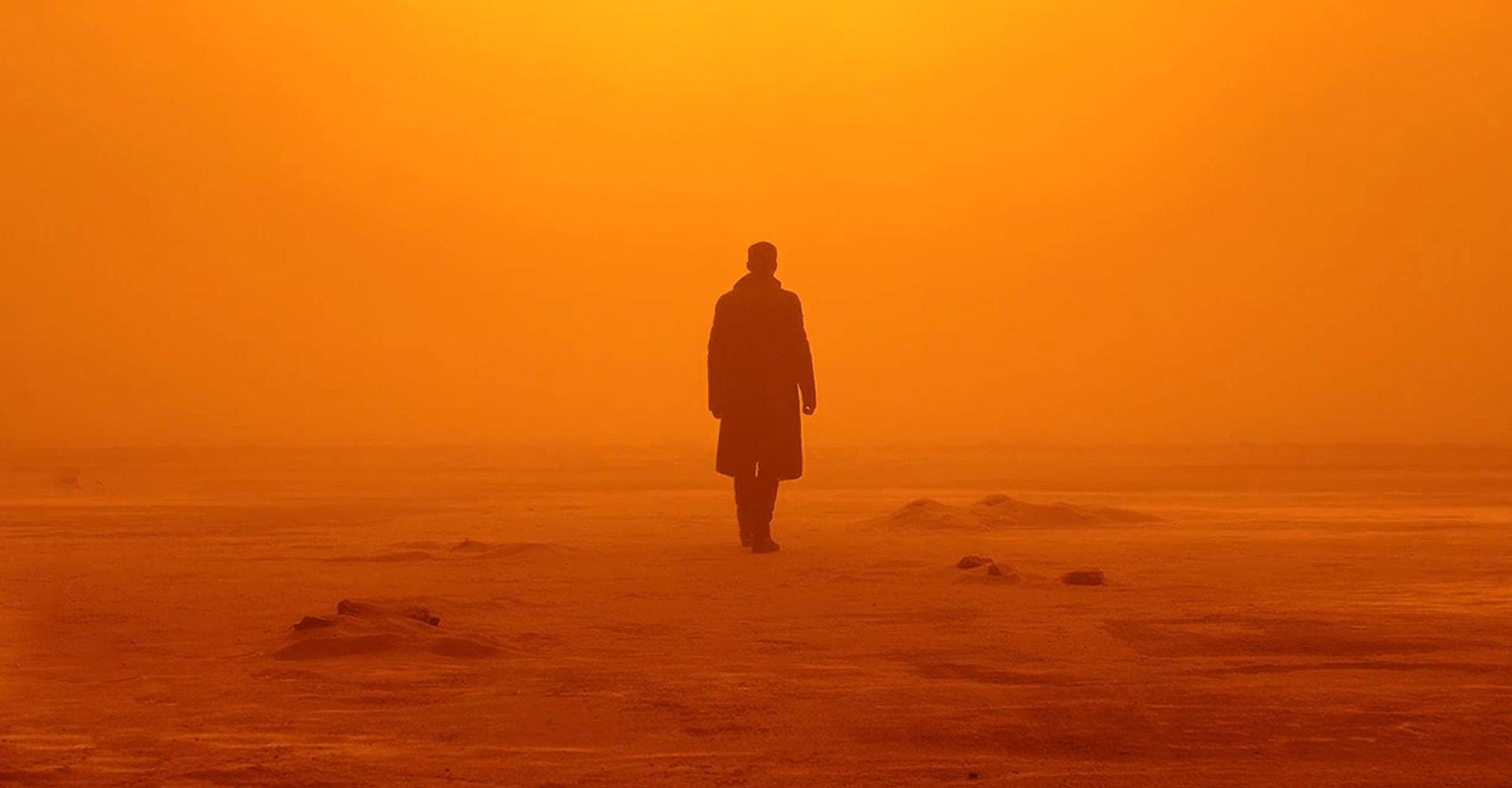
The world has failed to holistically address anthropogenic climate change through mitigation. Rising temperatures start to topple established ecological systems. Ripple effects are threatening humans in various ways. Economic forces have paralyzed legislative efforts to implement sustainability legislation, and the United Nations have given up on its sustainable development goals.
Left to their own devices, local communities around the world start focussing on their individual adaptive capacity. It is them who are at the front line of adaption.
In evolutionary biology, so-called fitness landscapes are used to visualize an organism’s adaption to the conditions. Possibilities as topology—Mountains are the best stage of adaptation to environments, while organisms have to do small iterative steps.
Whenever these moves are bringing organisms up, they follow that trajectory until they reach a plateau from which they could only descend in any direction. In reality, there are not one but many strategies, endless hills, and valleys. To reach new heights, they sometimes have to cross a ravine.
The decision makers build walls around our plateaus. Resilience design tries to cement its local peak position; to secure the functionality of the existing social and political order. The possibility of imagining or creating other worlds disappears. The landscape of catastrophe needs to become our fitness landscape, a valley of opportunities. We need audacious, brave experiments that might send us across valleys and plains to eventually get somewhere else, somewhere better. In the words of Stephanie Wakefield:
“Experimentation must become the modus operandi; asking previously unaskable questions: What on earth could being be?”
Fig. 1
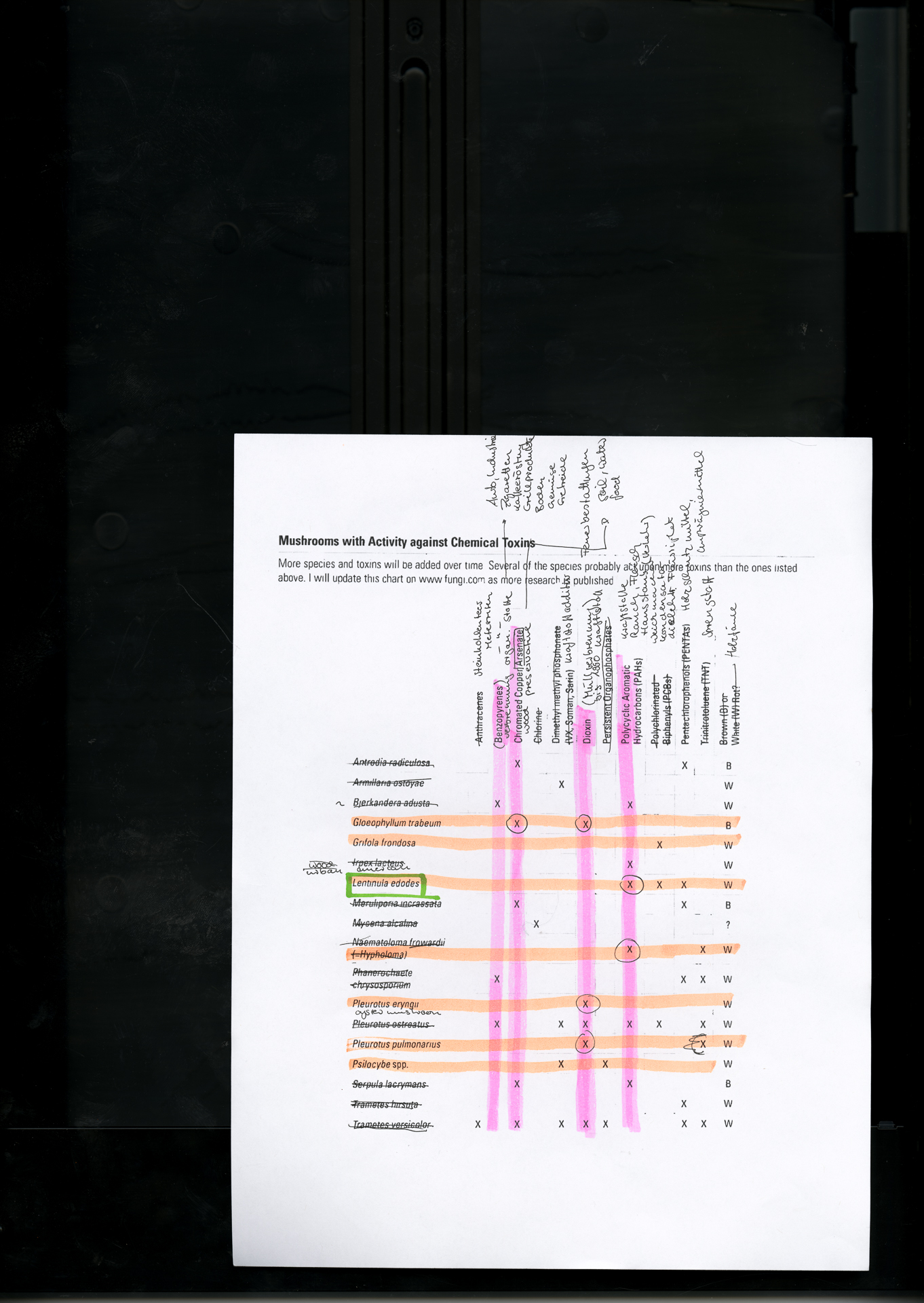
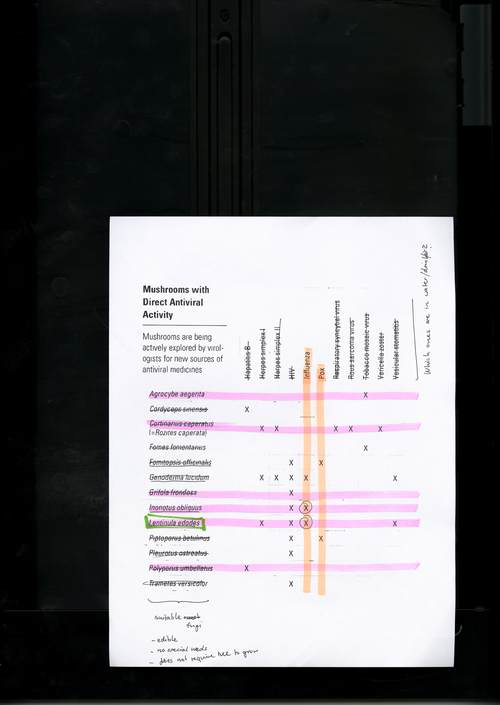
Fungus properties research Tables: Mycelium Running, Stamets, 2005
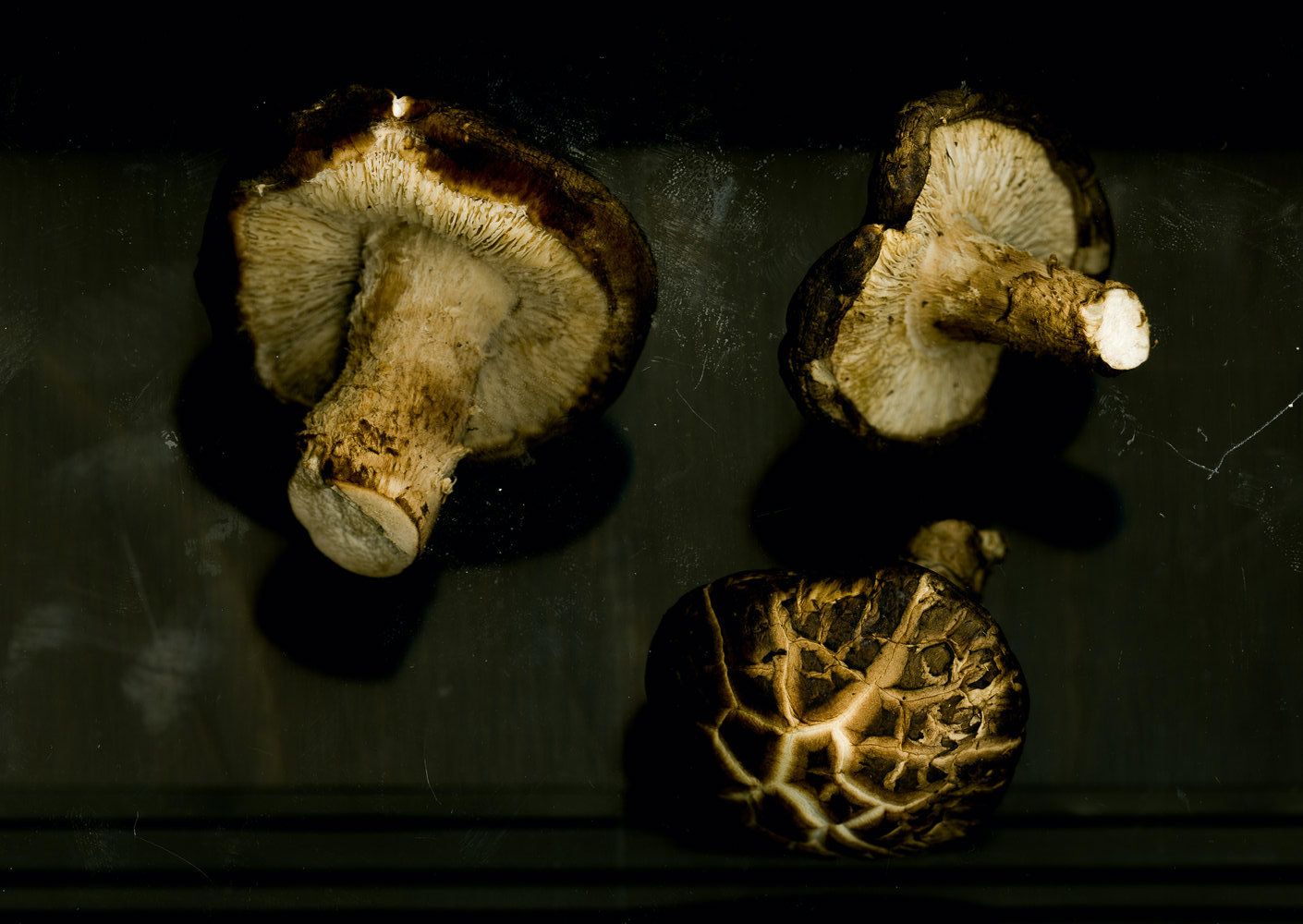
These are tables of the anti-viral and anti-toxic activities of fungi, based on the study of mycologist Paul Stamets and his book Mycelium Running. Particularly interesting are oyster mushrooms and Shiitake. Shiitake is antibacterial, antiviral is enhancing the functionalities of the lungs and the respiratory system. It builds resistance against influence and pox.
Fig. 2
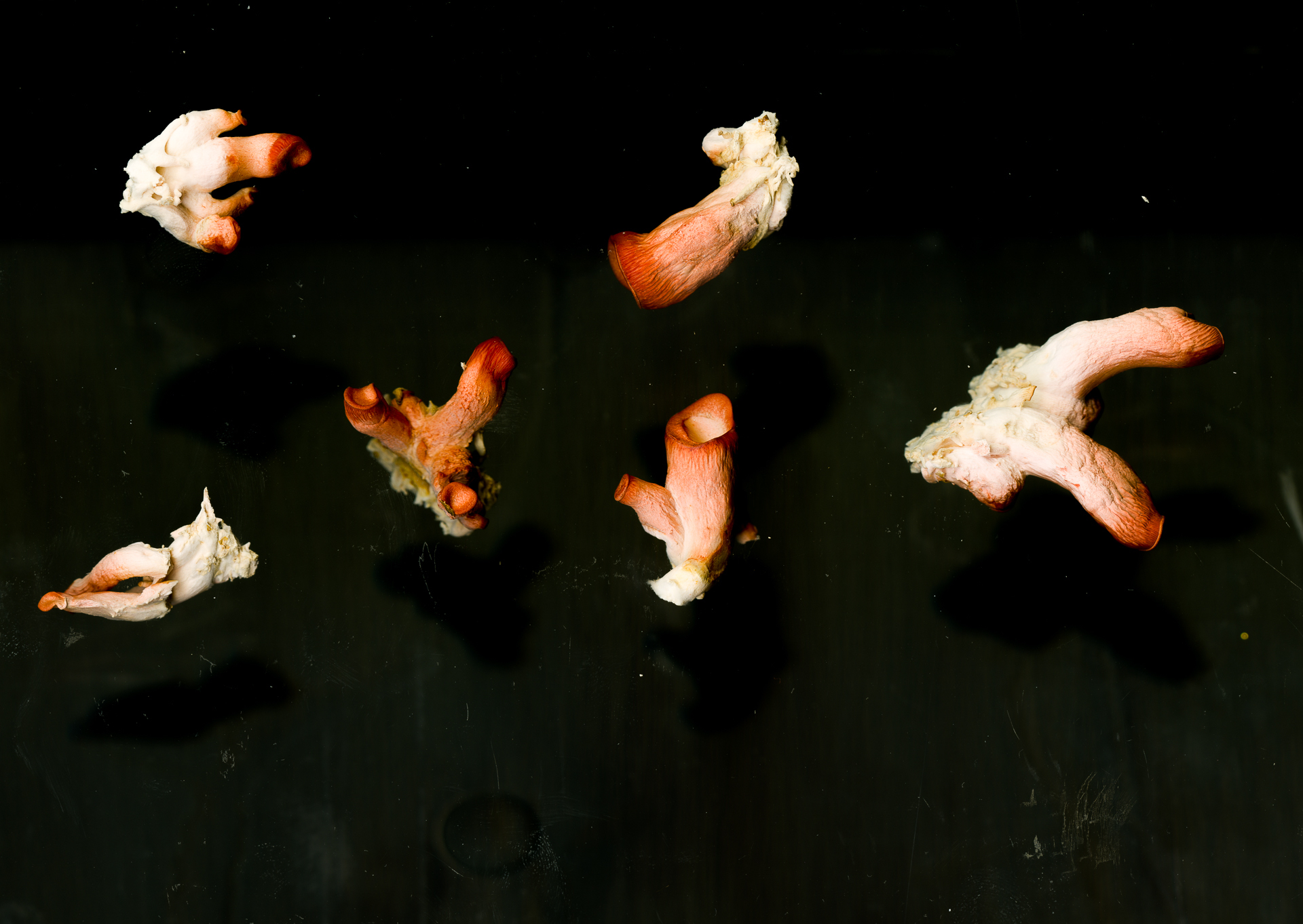
Pleurotus djamor (Oyster mushroom)
(Rumph. ex Fr.) Boedijn, Rumphius
Memorial Volume: 292 (1959)
Pleurotus djamor, commonly known as the pink oyster mushroom, is a species of fungus in the family Pleurotaceae. It is known by many different names.
In this world, people modify their bodies to prevent contamination through air and nutrition–a case study on mycelium.
Fig. 3
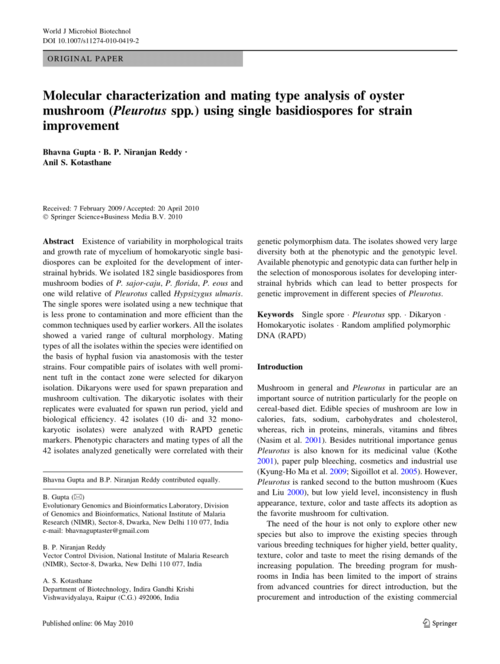
Scientific journal
Sketches, Notes
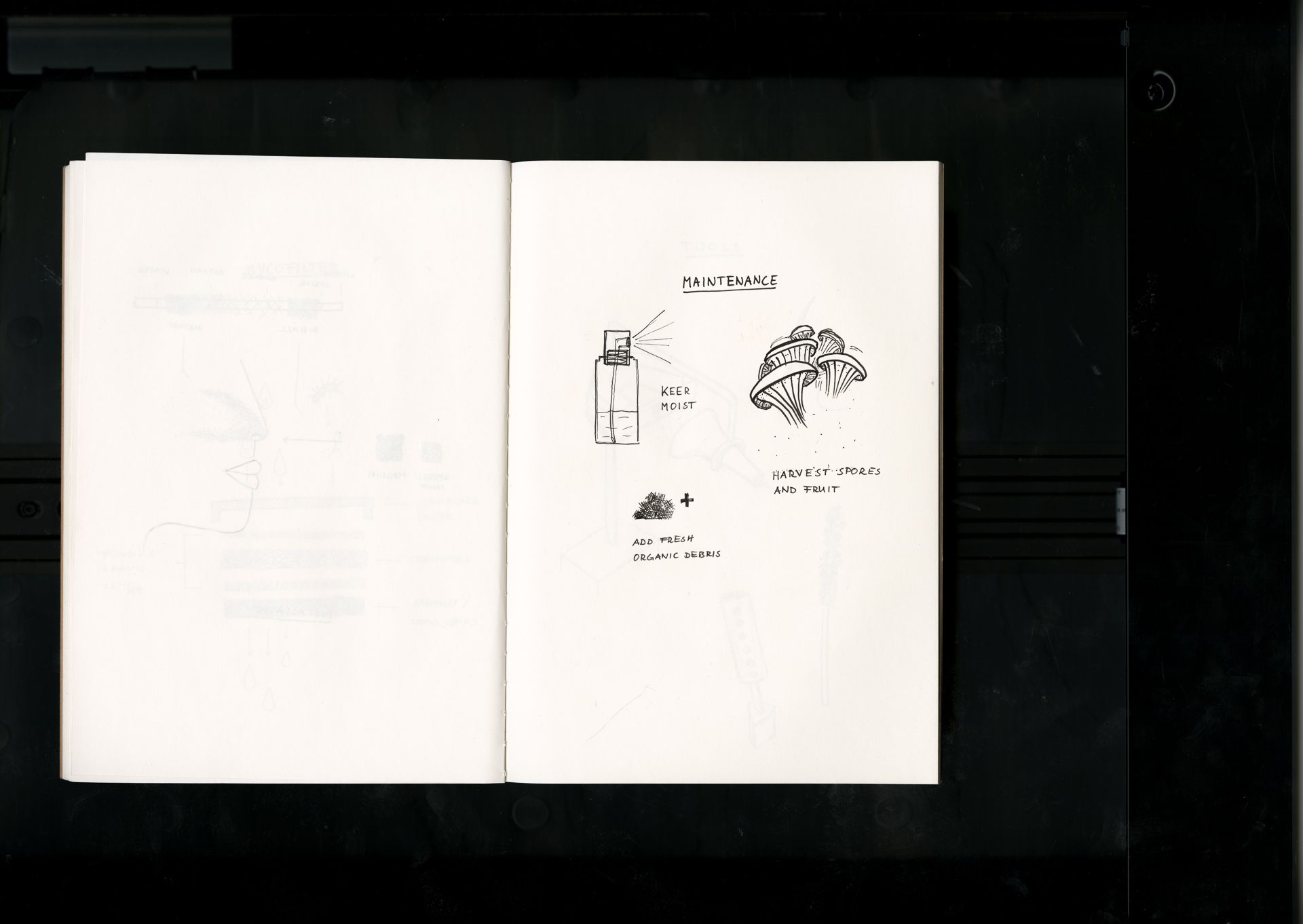
The mycofilter allows for cleaning polluted and toxic liquids. It consists of: Fungus spawn and is surrounded by sawdust, wood chips, and corncobs. The best time to install the fungi is in early spring, so it has time to grow until winter. The spores have to be injected onto the medium within the nose. These might be tools, which were used to install and maintain the fungi. Very important is, to keep the mushroom in a moist environment. Spraying water is necessary to keep the organism alive. The fruit, which might grow outside of the nose can be harvested and eaten.
Fig. 4
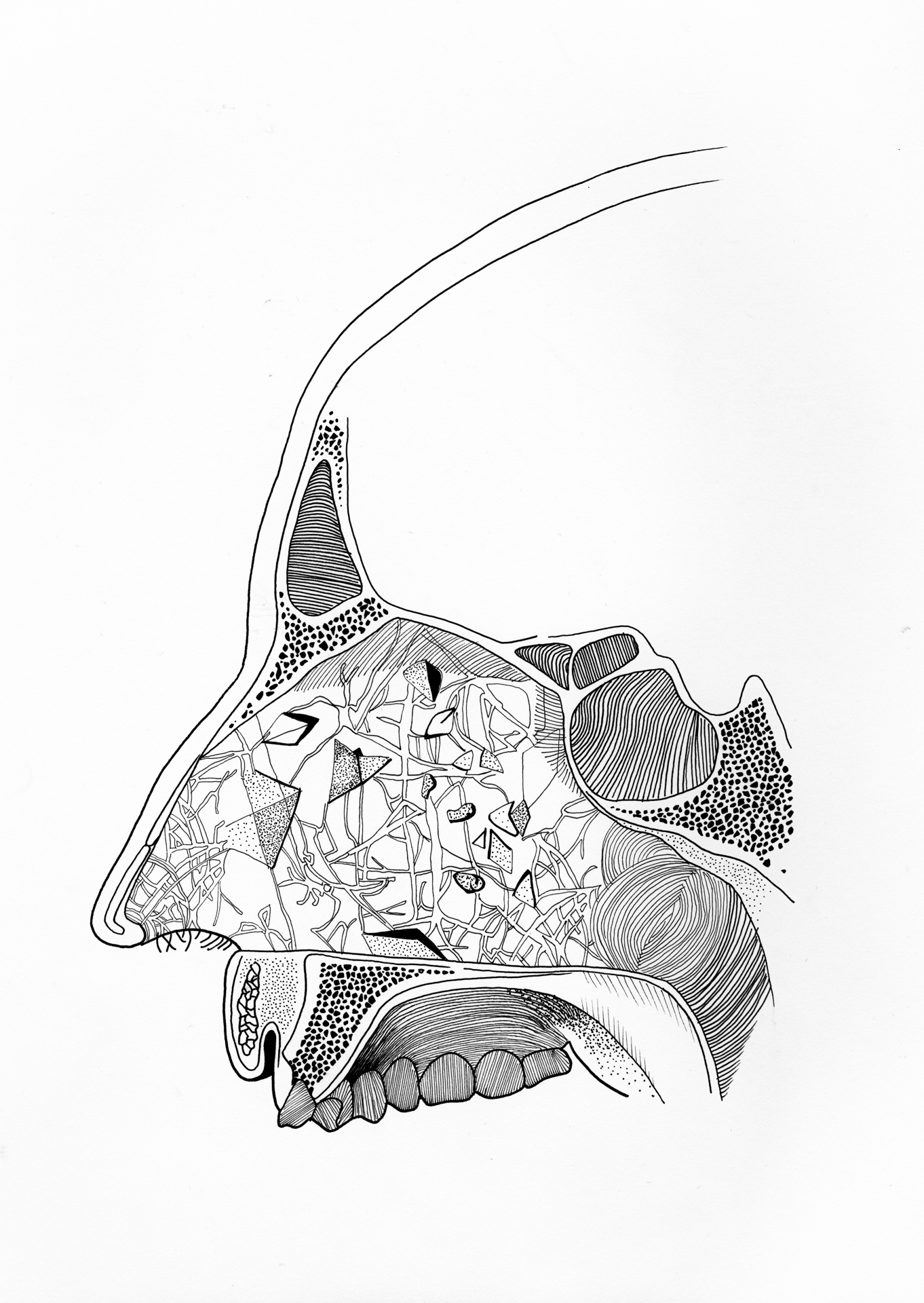
Nasal cavity with mycelium
Cavum nasi; cavitas nasi
The nasal cavity is a huge unused space within the human skull. It serves as the perfect environment for the mycelium to grow. It can be maintained through the nose and is not influencing or influenced the process of eating.
Fig. 5
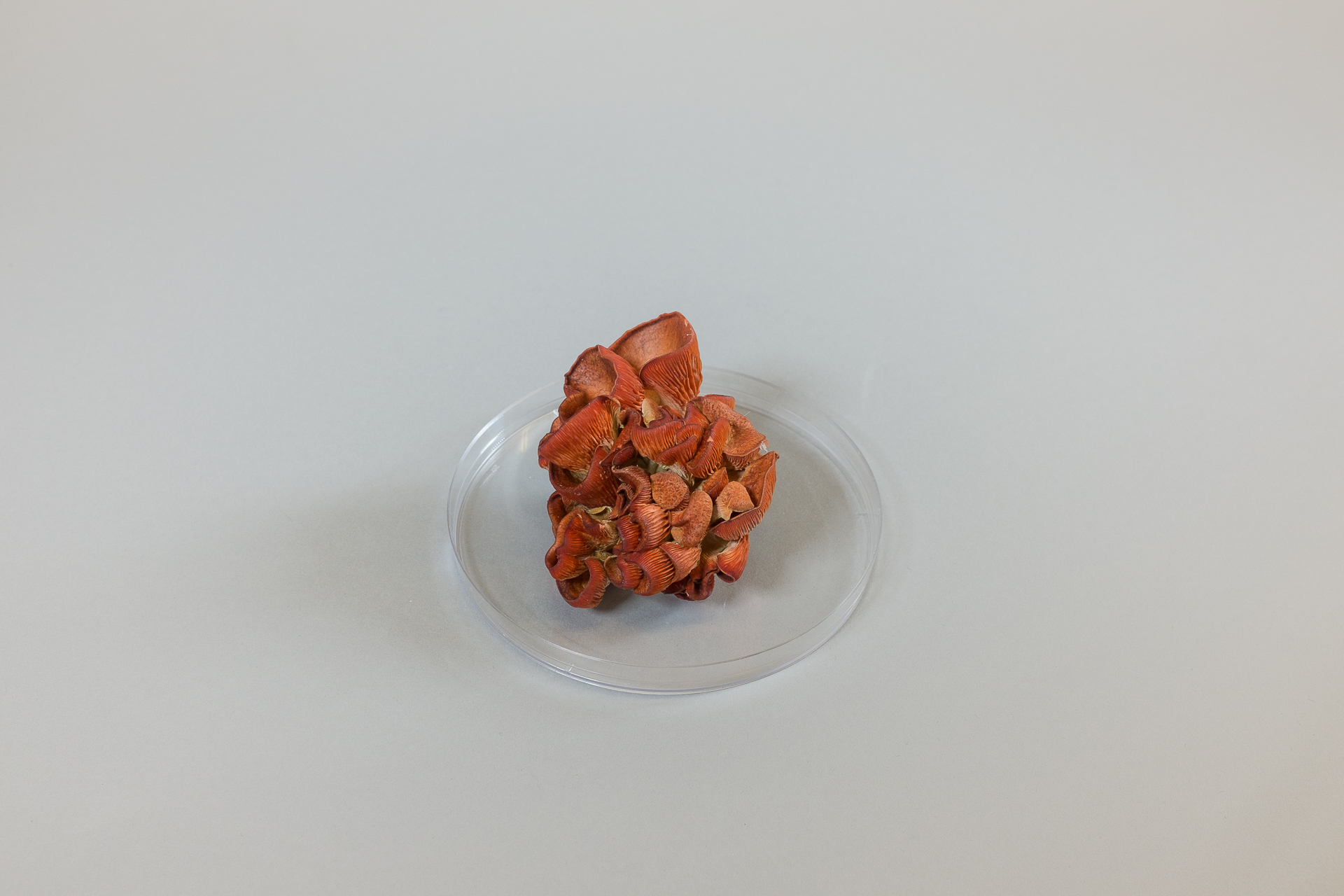
Fully developed fungus
Fungal fruiting body
The fruit of the fungi is not particularly interesting, it serves mostly as decoration. The roots, the mycelium is the actual filter. Since the mycelium is growing over time, it will transform the human face, too.
Fig. 7
Expansion of nasal cavity Lateral wall, supratip, palate, frontal sinus, crista galli
The skull and its bones structure are going to be deformed over time. This drawing shows the grown state of optimum filter qualities and results. The human body lives with the fungus in symbiosis.
Fig. 8
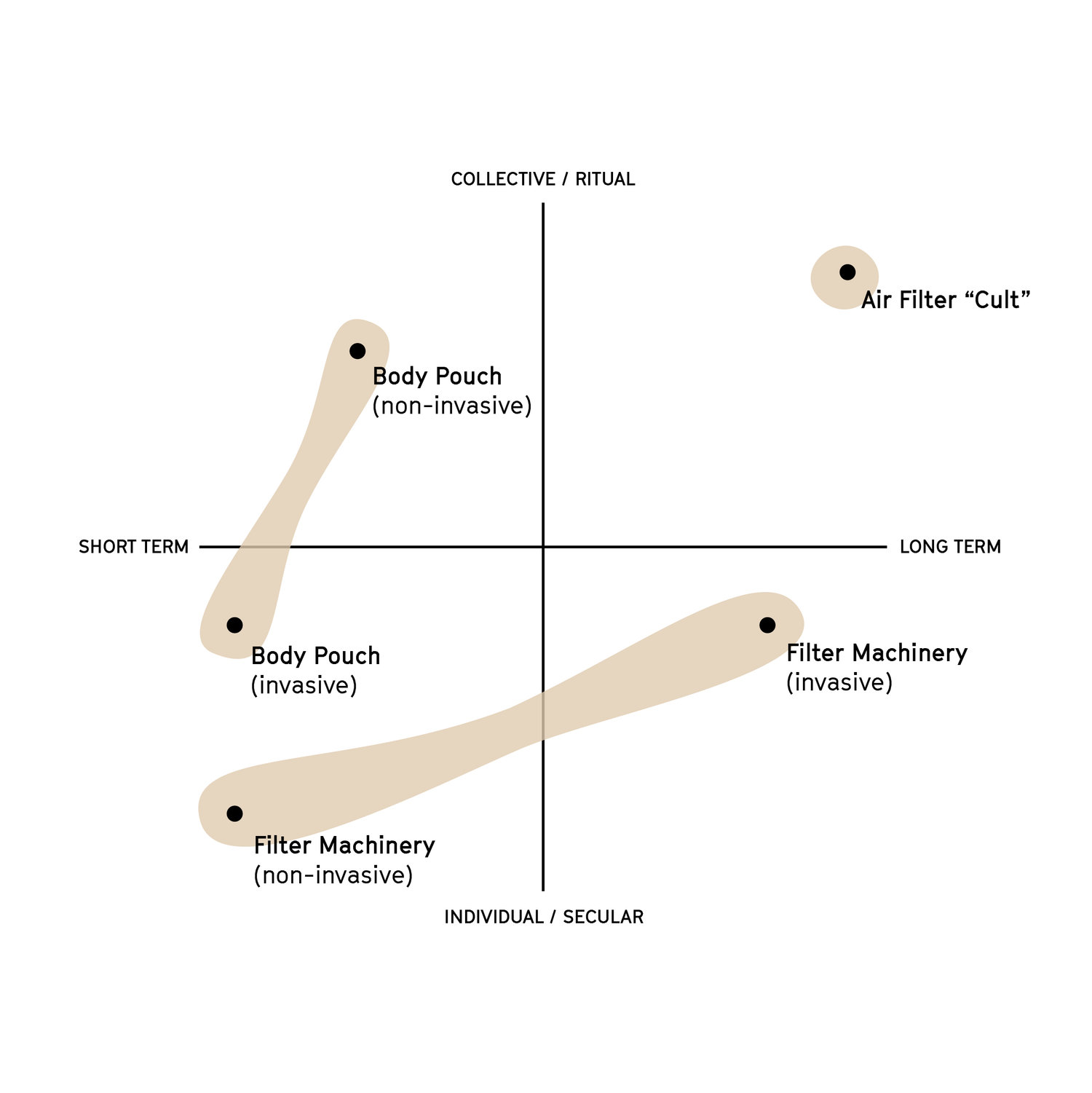
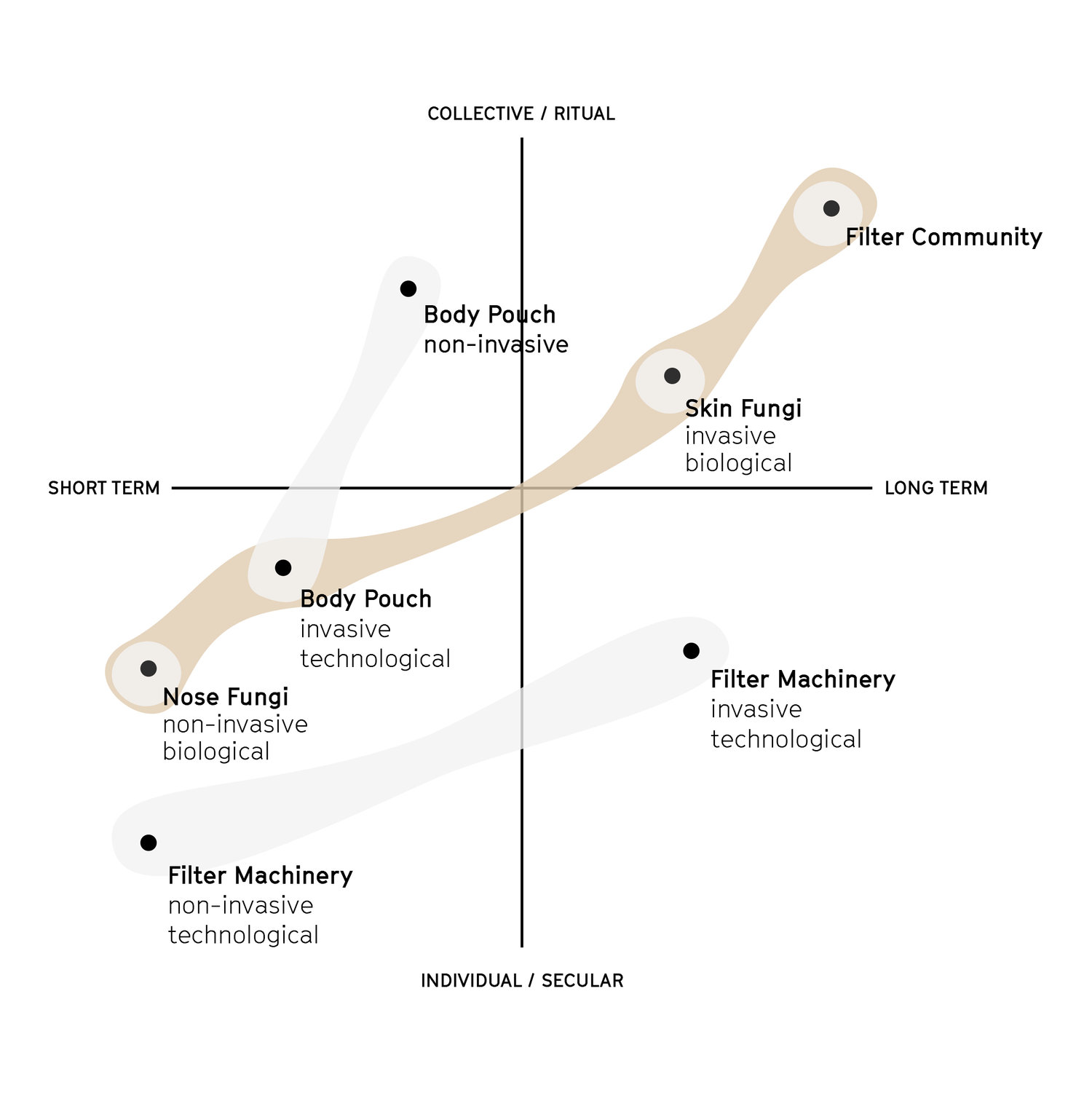
Levels of societal adaptionIndividual, collective; short term, long term
In this world, aside from traditional protective technology, people started to experiment with modifying the body itself — from the ritual to the secular, from the short to the long-term — using internal fungi as symbiotic filter organism. A community and eventually an entire society, sprouts from these practices. Using Cartesian coordinate system to construct a community.
Thanks to
Concept, development, design with Philipp Schmitt and Aishwarya Janwadkar.
Thanks to Anthony Dunne and Fiona Raby at the Designed Realities Studio at The New School.